
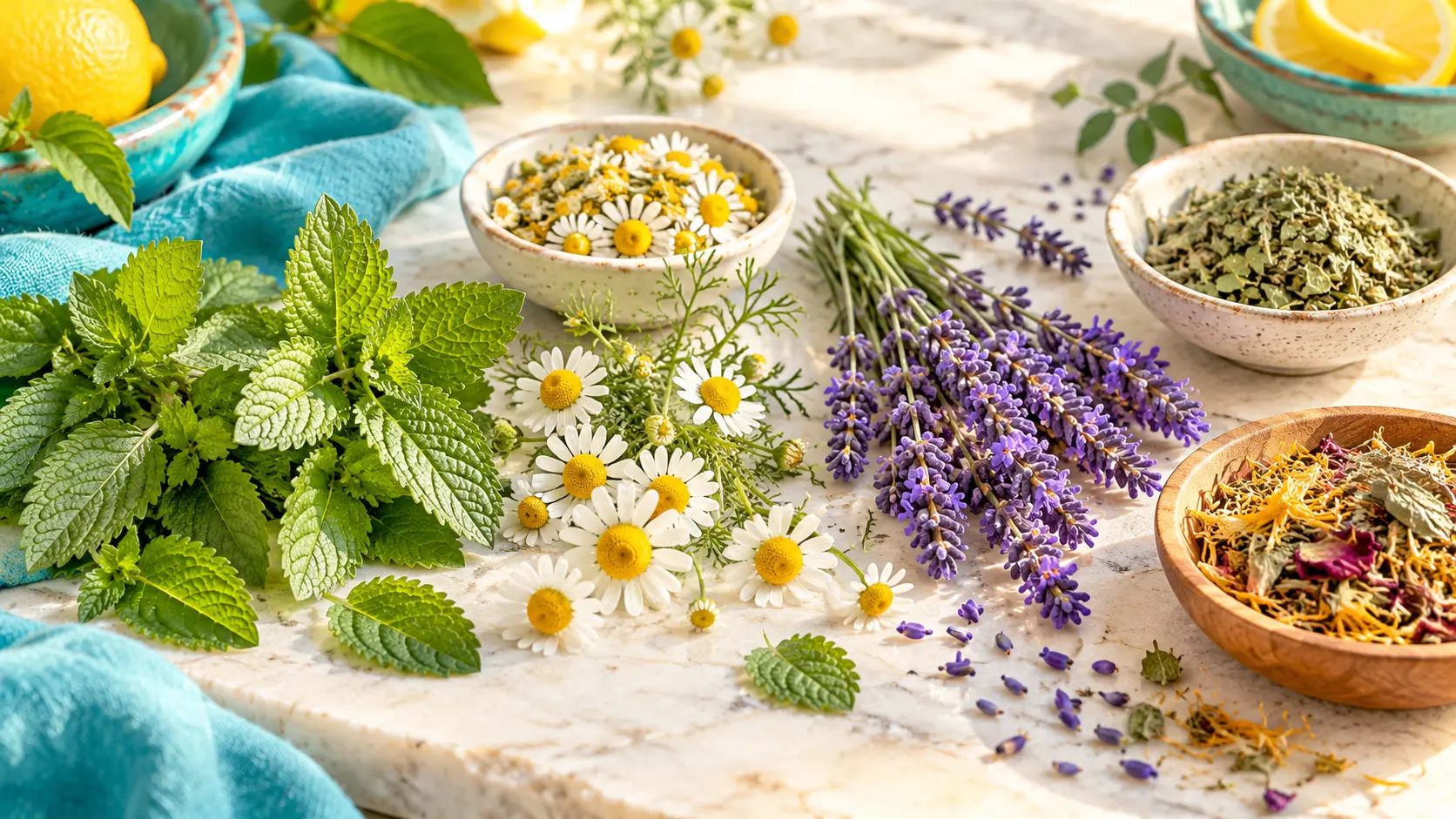
When your mind is racing after a long day, a cup of herbal tea can sound inviting. But a calming tea, a lavender aroma, and an herbal extract are three very different things. Here is how six popular stress-related herbs differ—and where the evidence stops.
The short answer: some herbal preparations show promising results, especially certain ashwagandha extracts, but none is a proven all-purpose fix. Product form, side effects, and your health circumstances matter as much as the plant name.
First, what kind of stress are we talking about?
Some days you feel wired and restless. Other days you are mentally exhausted. Sometimes poor sleep makes everything feel louder. These experiences overlap, but they are not the same problem—and a study about anxiety, insomnia, or fatigue is not automatically a study about everyday stress.
Think of herbs as possible supporting tools, not a way to erase a difficult schedule, untreated anxiety, or ongoing sleep loss. For the bigger picture, read the Stress: A Whole-Picture Guide: https://ugetwell.com/health/stress-whole-picture-guide
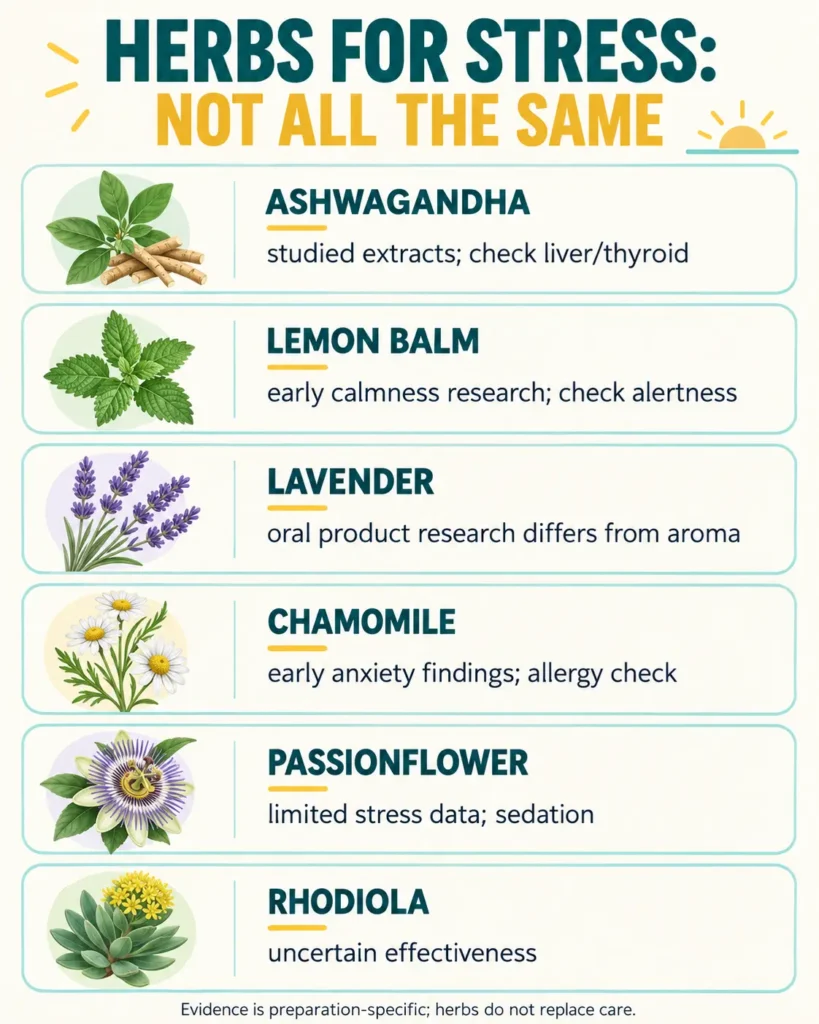
Six herbs worth understanding — and how they differ
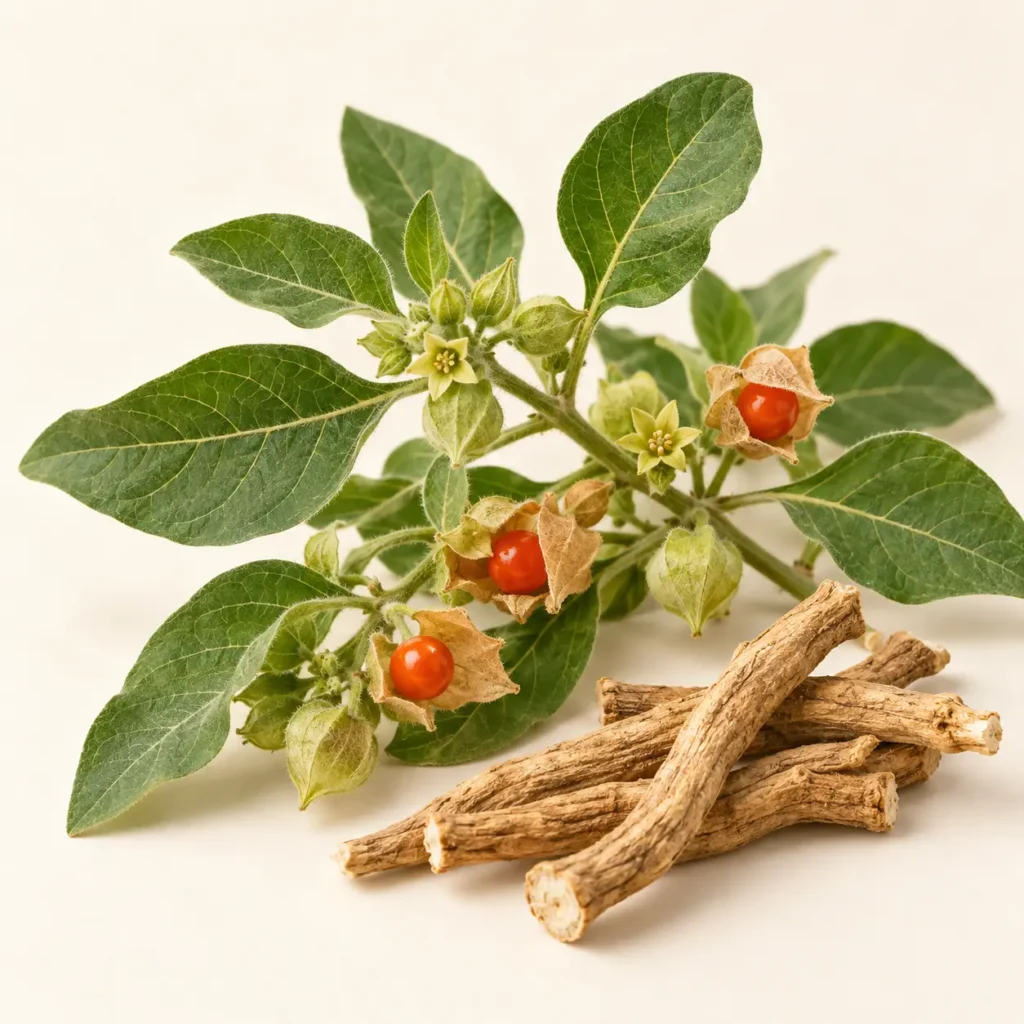
1. Ashwagandha: promising stress research, but not for everyone
Ashwagandha (Withania somnifera) is commonly sold as a “stress resilience” herb. Several trials of particular extracts report improvements in perceived stress, and NIH notes that some preparations may help stress and insomnia. That is encouraging, not a guarantee for every powder or capsule.
The catch matters: the products in studies vary. Rare liver injury has been reported; the herb may affect thyroid function and interact with medicines. It should be avoided during pregnancy and breastfeeding and is not recommended with certain thyroid or autoimmune conditions or before surgery. This is one to discuss with a clinician, not to add casually to a complicated medication routine. [1]
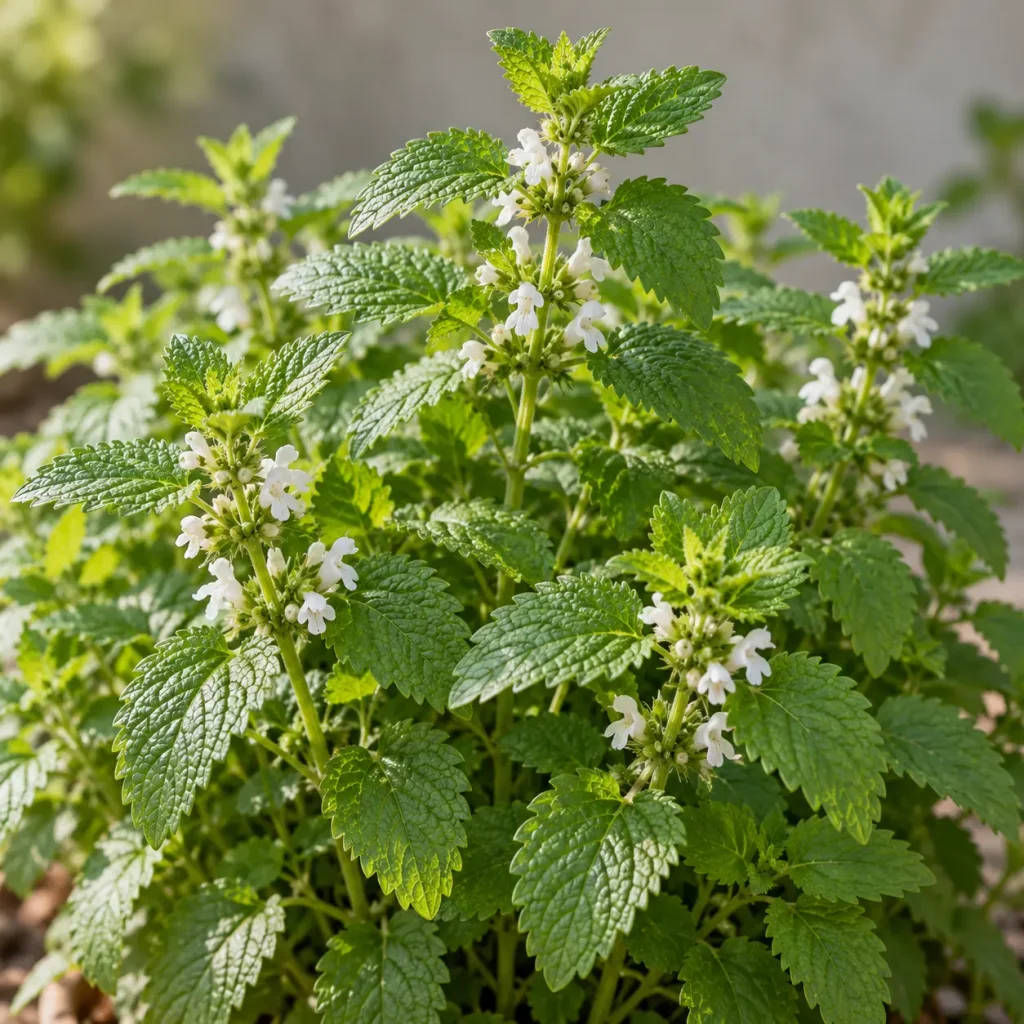
2. Lemon balm: the gentle-sounding herb with an important form question
Lemon balm (Melissa officinalis) is an aromatic mint-family plant. A small controlled laboratory study found greater self-rated calmness after one standardized extract, alongside reduced alertness. A later review found encouraging signals for anxiety symptoms but emphasized that studies were few and quite different from one another. [2, 3]
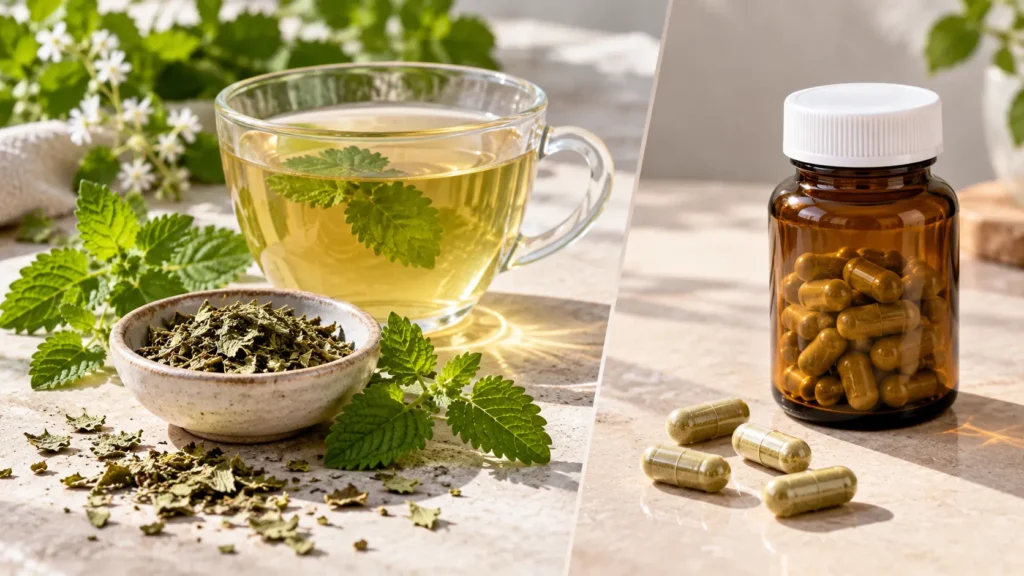
A cup of lemon balm tea may be a comforting routine, but the tea is not equivalent to the extract used in a trial. If you need to drive or stay sharply focused, possible drowsiness deserves attention. Read our detailed application: https://ugetwell.com/herbal/lemon-balm-stress-calming-herb-mostly-tradition and herb profile: https://ugetwell.com/herbs/lemon-balm
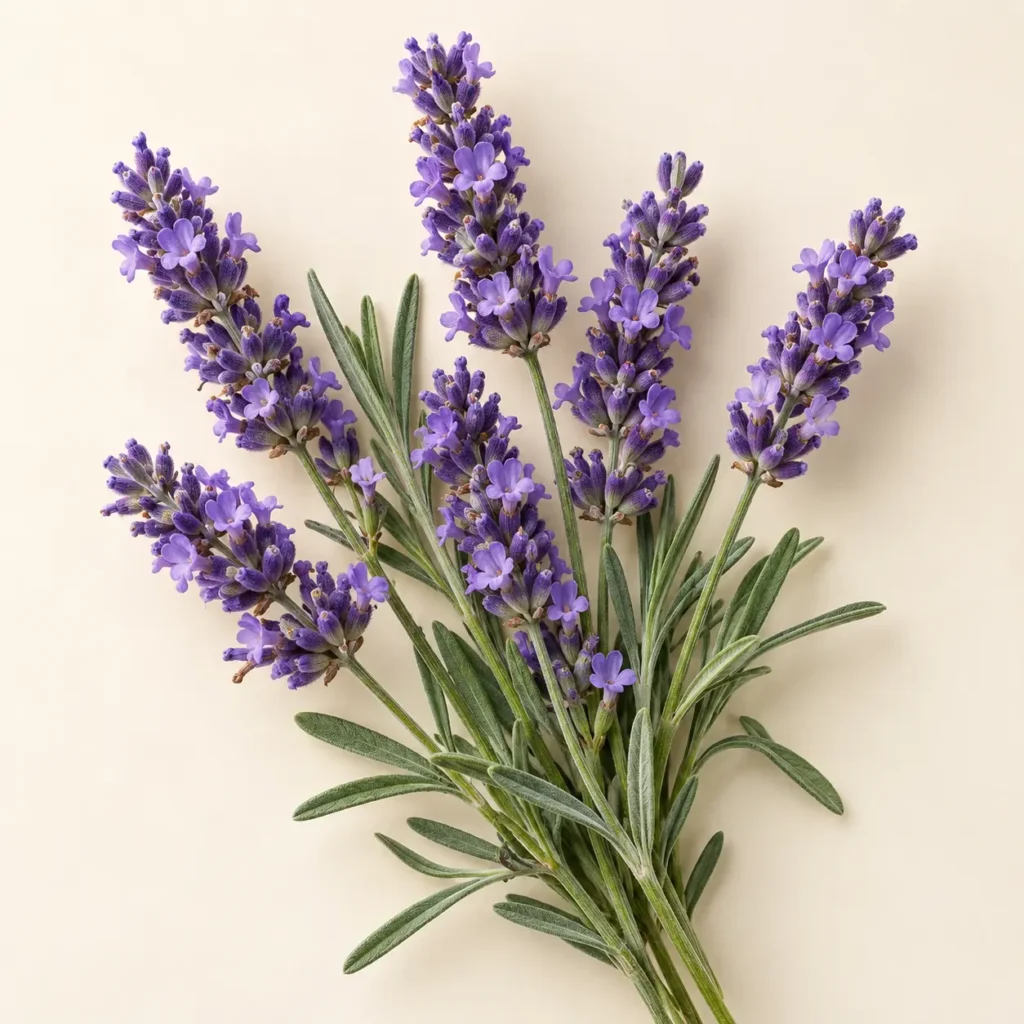
3. Lavender: smelling it and swallowing it are two different questions
Lavender (Lavandula angustifolia) makes an easy-to-recognize example of why preparation matters. Researchers have studied specific oral lavender-oil products for anxiety symptoms, with some promising results but real study limitations. The evidence for aromatherapy reducing stress or anxiety remains unclear. [4]
Enjoying the scent of lavender is not the same thing as taking a clinically studied capsule. Do not swallow essential oils on your own; oral lavender products can cause digestive symptoms and may interact with sedating medicines. [4]
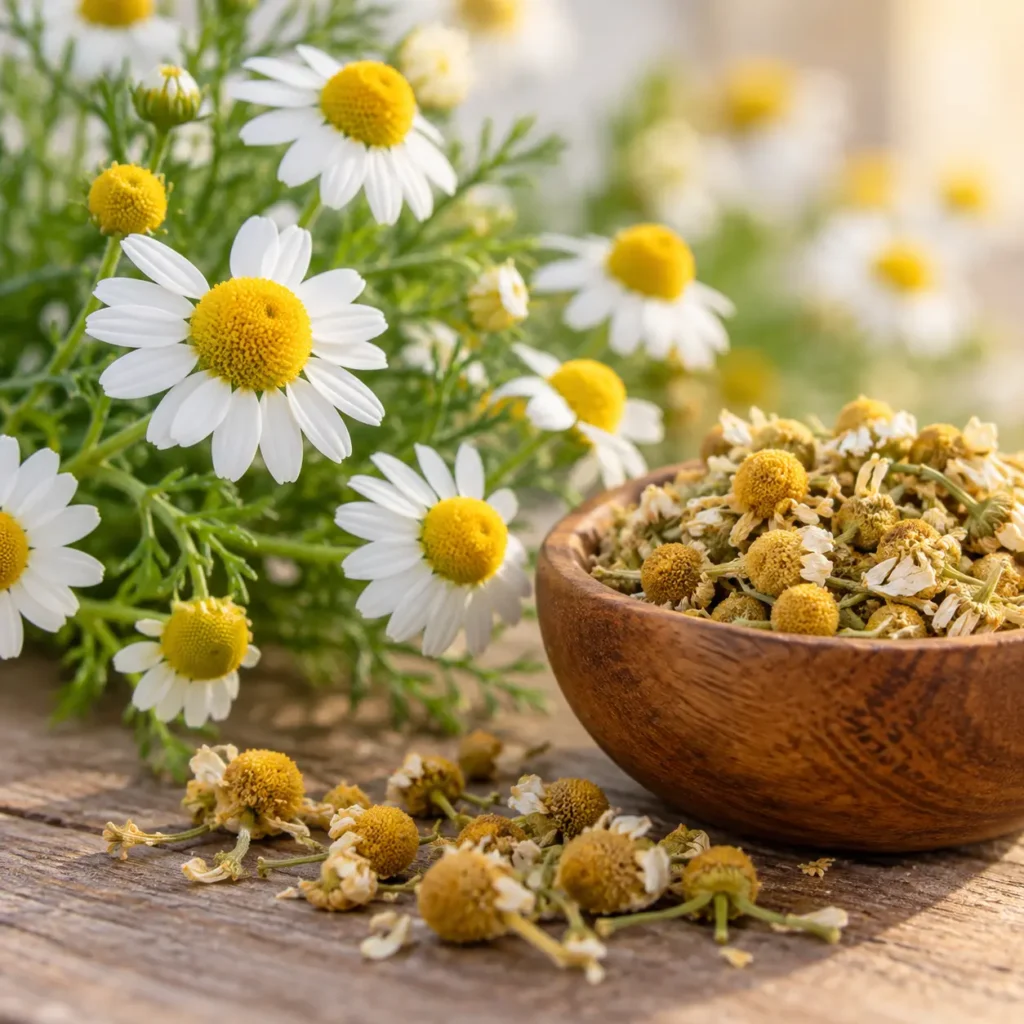
4. Chamomile: familiar tea, less familiar research limits
Chamomile is often associated with a bedtime mug. Small studies of German chamomile extracts suggest possible benefits for generalized anxiety symptoms, but that is not proof that ordinary chamomile tea treats stress. [5]
Allergy is the memorable caution: people sensitive to ragweed and related plants may react to chamomile. Interactions with warfarin and some other medicines have also been reported. [5]
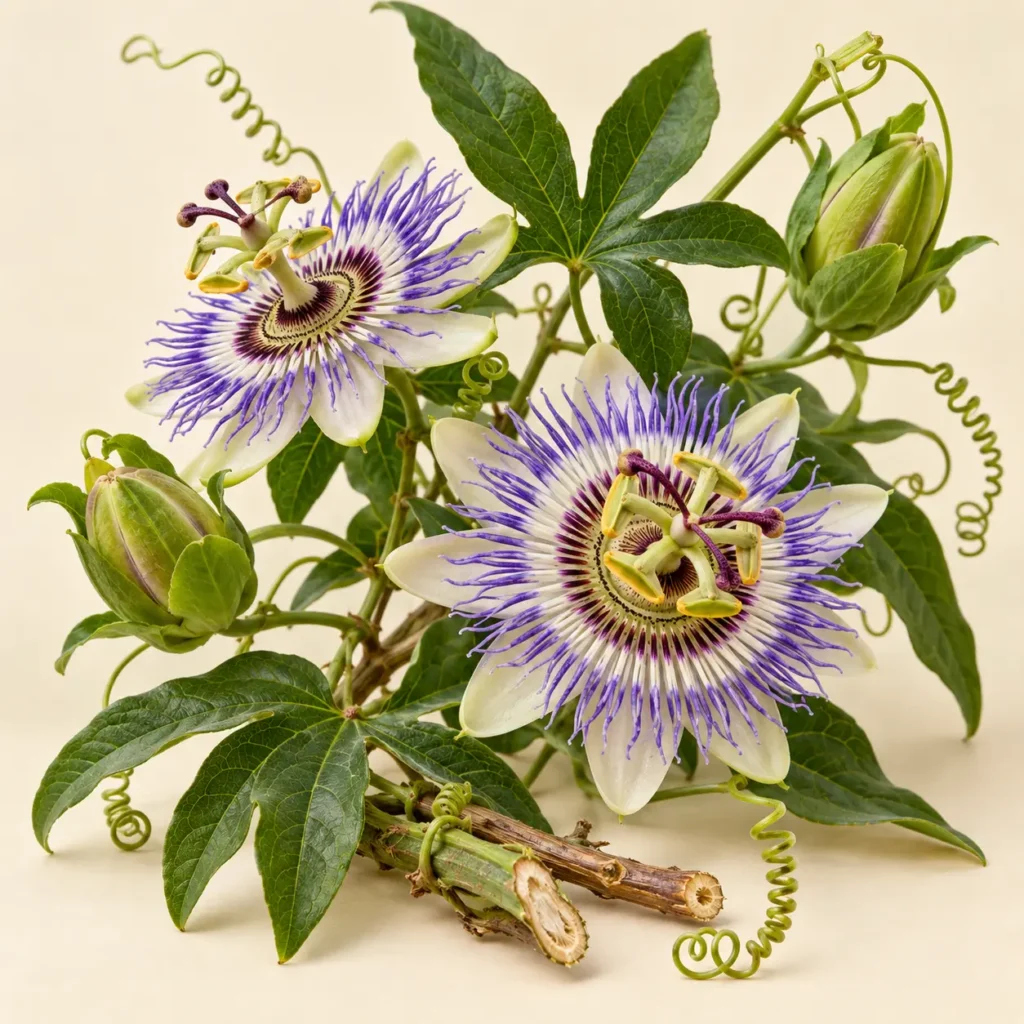
5. Passionflower: calming tradition, limited certainty
Passionflower (Passiflora incarnata) is sold for relaxation and sleep. A small amount of research hints at benefits for certain anxiety situations, but NIH says there is not enough evidence to establish usefulness for stress itself. [6]
It can cause drowsiness, dizziness, or confusion; pregnancy and upcoming surgery are particularly important reasons to avoid casual use or seek medical advice. [6]
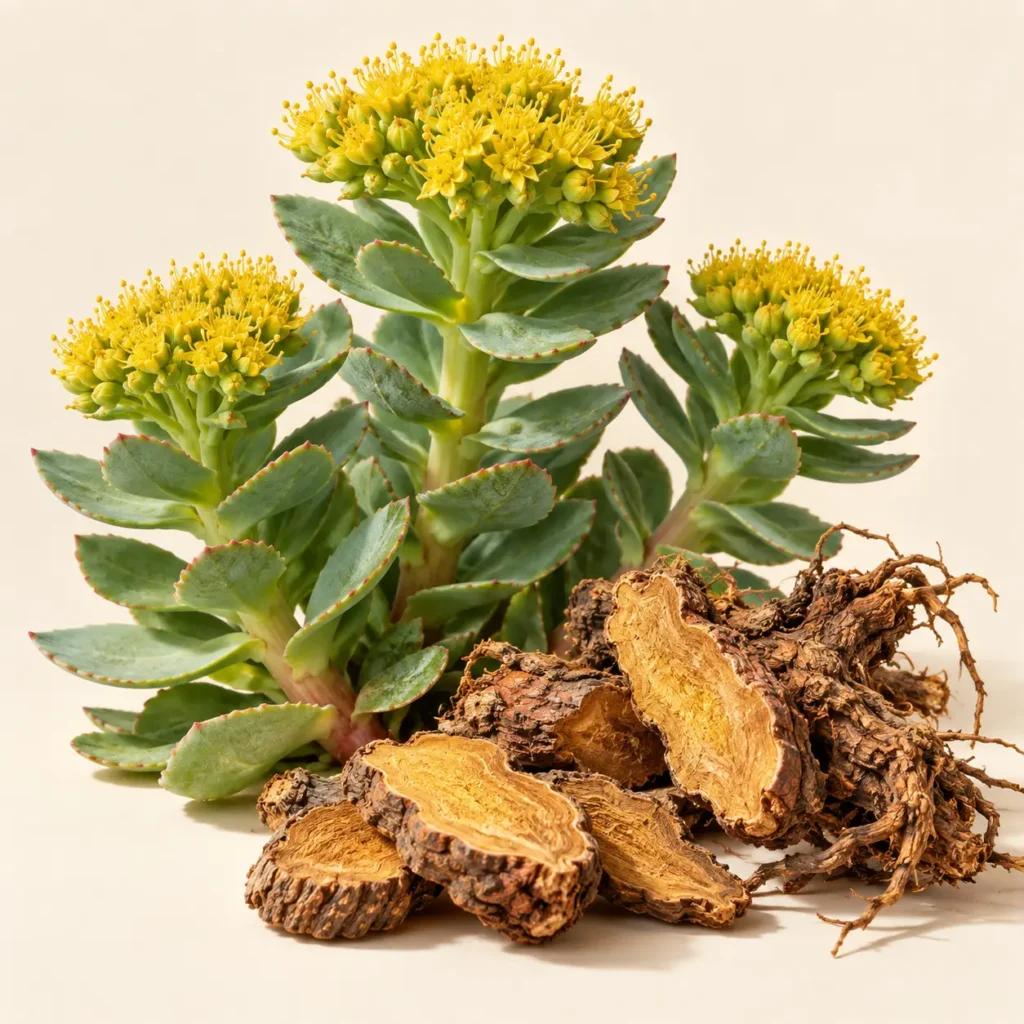
6. Rhodiola: for the “I am exhausted” version of stress?
Rhodiola (Rhodiola rosea) is frequently marketed for stress-related fatigue and stamina. The story sounds appealing after a demanding month, but NIH finds insufficient reliable human evidence to conclude that it works for any health purpose. [7]
In other words, “adaptogen” is a marketing or traditional-use category, not proof that a supplement restores depleted energy. Investigate persistent fatigue instead of covering it with a product claim.
QUICK INSIGHT
Some facts About Herbs for Stress
• Some ashwagandha extracts have encouraging stress-specific trials, but comparing effectiveness across herbs is not possible from these studies.
• Lemon balm: small studies suggest a calming effect; evidence remains uneven.
• Lavender: oral standardized oil has more anxiety-focused research than lavender scent, but anxiety results do not prove stress treatment.
• Chamomile and passionflower: modest or preliminary findings, often for anxiety rather than everyday stress.
• Rhodiola: fatigue-related marketing runs ahead of reliable evidence.
At a glance: how the evidence actually compares
| Herb | Why to consider it | What evidence supports | Main watch-out |
|---|---|---|---|
| Ashwagandha | Perceived stress | Some specific extracts show promise | Liver, thyroid, pregnancy, interactions |
| Lemon balm | Feeling tense | Small trials; mixed preparations | Alertness; tea ≠ extract |
| Chamomile | Evening wind-down | Preliminary extract studies for anxiety | Ragweed allergy; warfarin |
| Passionflower | Relaxation / sleep | Limited anxiety studies; stress uncertain | Drowsiness; pregnancy; surgery |
A smarter way to choose than asking “Which herb is best?”
An easy trap: choosing by the herb name alone. The research might involve a particular extract, while the item on a store shelf is a tea, powder, or scented product. That difference can matter more than the marketing description.
Start with three questions. First, what are you hoping to change—tension, sleep disruption, or a feeling of exhaustion? Second, was the specific product form actually studied for that outcome? Third, could this herb make things riskier because of your medications, pregnancy, health conditions, or need to stay alert?
If any of those questions cannot be answered, “wait and check” is a reasonable decision. You do not need to test six herbs or stack products to get a useful wellness routine.
What herbs cannot do alone
A soothing ritual might help you mark the end of a hard day, but stress also responds to what happens outside the bottle: a realistic bedtime, regular movement, fewer competing demands when possible, and support from another person. Relaxation skills, mindfulness, and physical activity may help some people manage stress. [8]
If stress persists, interferes with daily life, or arrives with anxiety or sleep symptoms that will not let up, seek professional guidance. Herbal products should not replace recommended treatment.
Safety before shopping
“Natural” does not mean “safe with every medication.” Be especially cautious with sedating products, thyroid conditions, liver problems, blood-thinning medicines, pregnancy or breastfeeding, and planned procedures. Avoid combining multiple calming supplements without a professional review. Stop a product and seek medical help for serious reactions or signs of possible liver injury (for example, jaundice or dark urine).
Before considering a product, check the exact species, plant part, preparation, and medication warnings. A familiar herb name alone does not tell you whether a product resembles the one studied.
Practical takeaway
Different herbs bring different questions. Some studied ashwagandha extracts have promising stress results, alongside significant restrictions; that does not establish that ashwagandha is better than the other herbs. Lemon balm, lavender, chamomile, and passionflower may be appealing for different reasons, yet the evidence often concerns specific extracts or anxiety outcomes. Rhodiola remains too uncertain to promise a benefit. Choose understanding first; any product comes second.
References
1. NCCIH — Ashwagandha — https://www.nccih.nih.gov/health/ashwagandha
2. Lemon balm randomized stress study, PMID 15272110 — https://pubmed.ncbi.nlm.nih.gov/15272110/
3. Lemon balm systematic review/meta-analysis, PMID 34449930 — https://pubmed.ncbi.nlm.nih.gov/34449930/
4. NCCIH — Lavender — https://www.nccih.nih.gov/health/lavender
5. NCCIH — Chamomile — https://www.nccih.nih.gov/health/chamomile
6. NCCIH — Passionflower — https://www.nccih.nih.gov/health/passionflower
7. NCCIH — Rhodiola — https://www.nccih.nih.gov/health/rhodiola
8. NCCIH — Stress — https://www.nccih.nih.gov/health/stress