

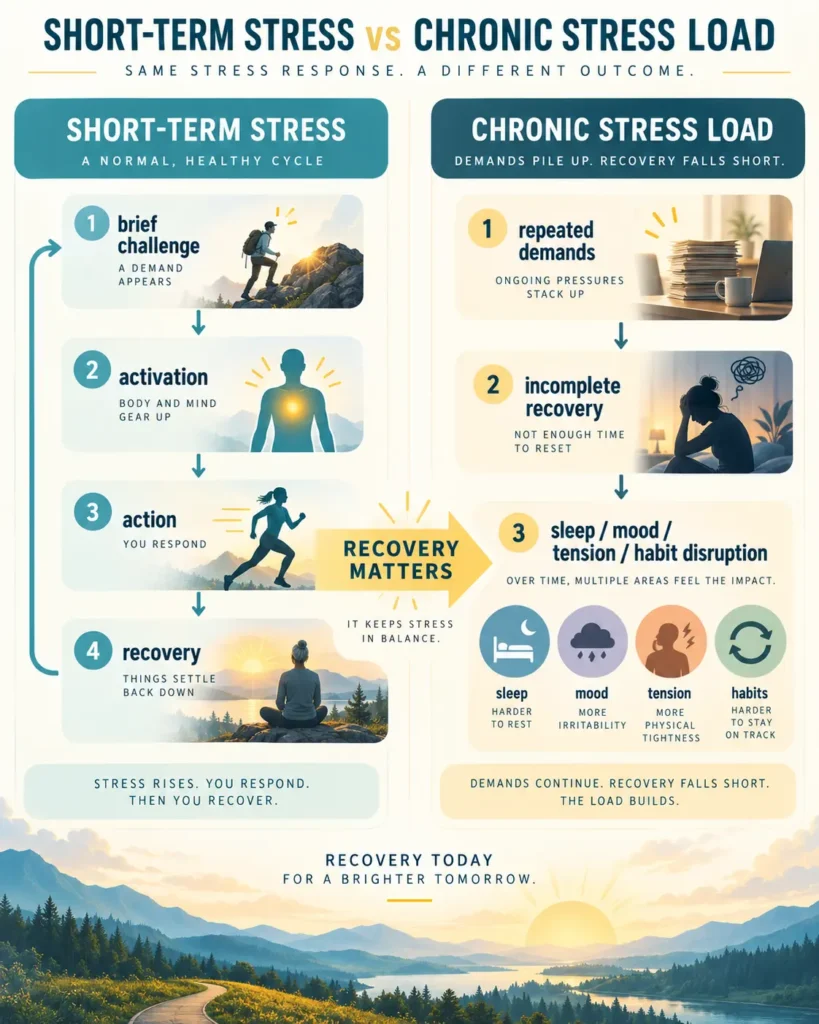
Stress is a normal response to challenge, pressure, uncertainty, and change. It becomes more concerning when the stress keeps coming, recovery does not catch up, or it starts affecting sleep, mood, concentration, relationships, habits, or physical health. [1] We look at stress through five connected natural-support approaches: Herbal, Nutrition, Physical, Mental, and Lifestyle.
The goal is not to collect the largest number of remedies. It is to understand the pattern of stress you are dealing with, reduce the load where possible, strengthen recovery, use targeted tools that fit, and involve a professional when stress is persistent, severe, or difficult to separate from a medical or mental-health problem.
QUICK INSIGHT
What it is: Stress is the mind-and-body response to demands, uncertainty, pressure, or threat.
What matters most: Short-term stress can help you respond to a challenge. Ongoing stress becomes a problem when activation keeps repeating without enough recovery.
Start here: Look at the five support approaches below and choose the few that best match the way stress is showing up for you.
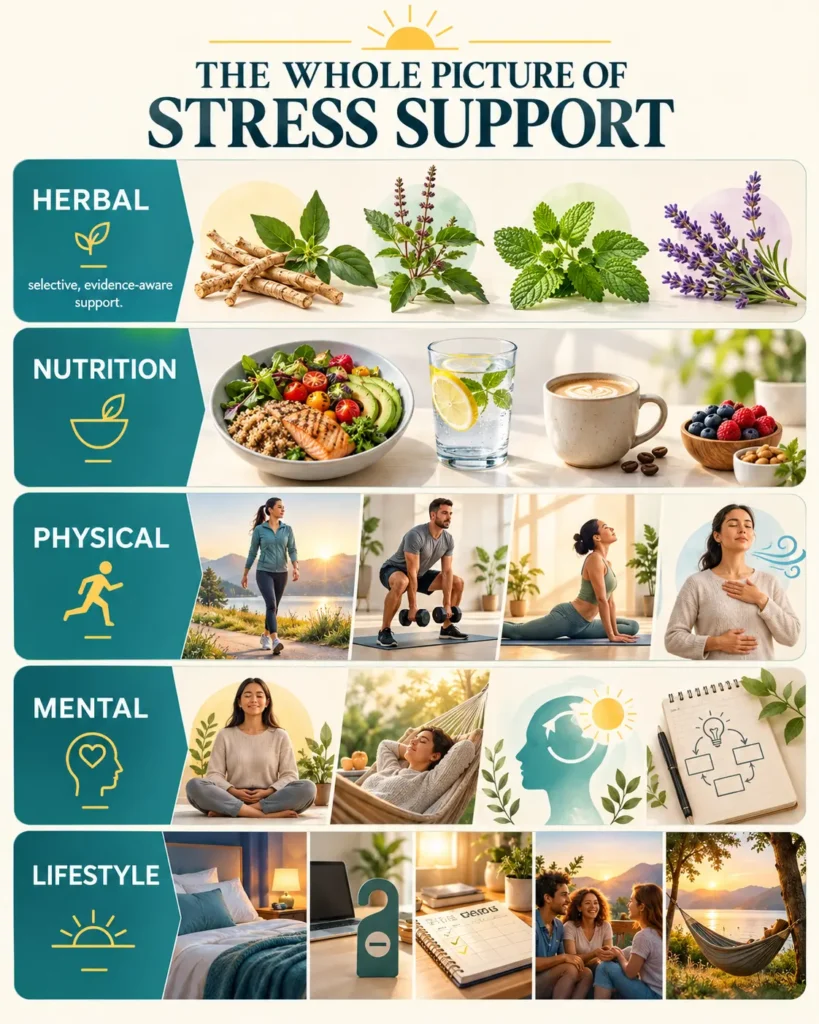
The Whole Picture of Stress Support
These five approaches are an options map, not a prescription. We use them to look at stress from different angles: what may help the stress response itself, what supports the nervous system and recovery, what reduces physical tension, what changes the way we respond mentally, and what makes daily life more or less stressful.
1. Herbal
For stress, the herbal strategy usually combines two broad herbal action categories: adaptogens and calming nervines. Adaptogens are herbs traditionally used to support resilience during ongoing physical or mental strain. Nervines is a traditional herbalism term for herbs used to settle nervous tension, support relaxation, and make it easier to wind down. They can be used separately or selectively combined depending on whether the main pattern is fatigue, tension, poor sleep, or feeling constantly “on.”
This is a practical herbal framework, not a claim that every herb treats stress. The exact preparation, dose, health history, and medication list still matter.
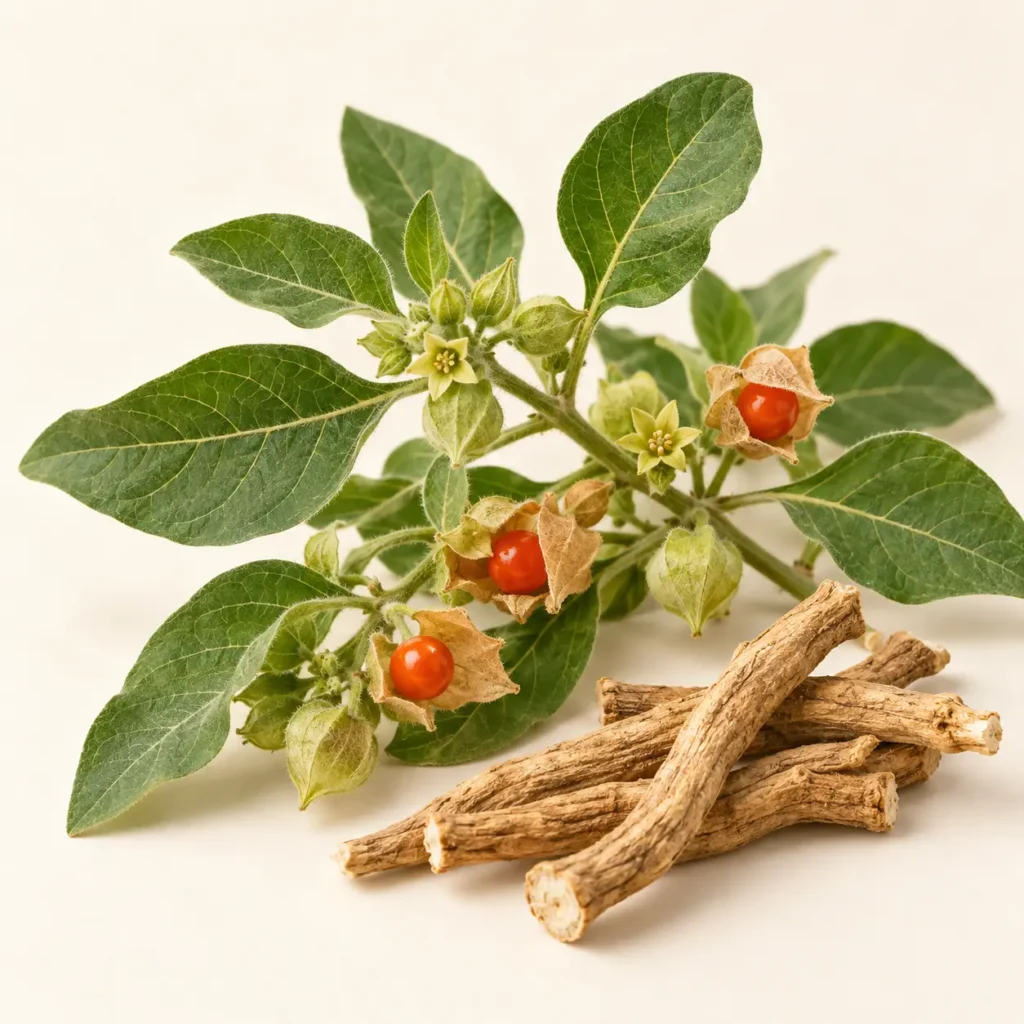
Ashwagandha
Adaptogen; may support stress resilience and help some people who feel both wired and depleted; commonly used as standardized root extract capsules or root powder. [10]
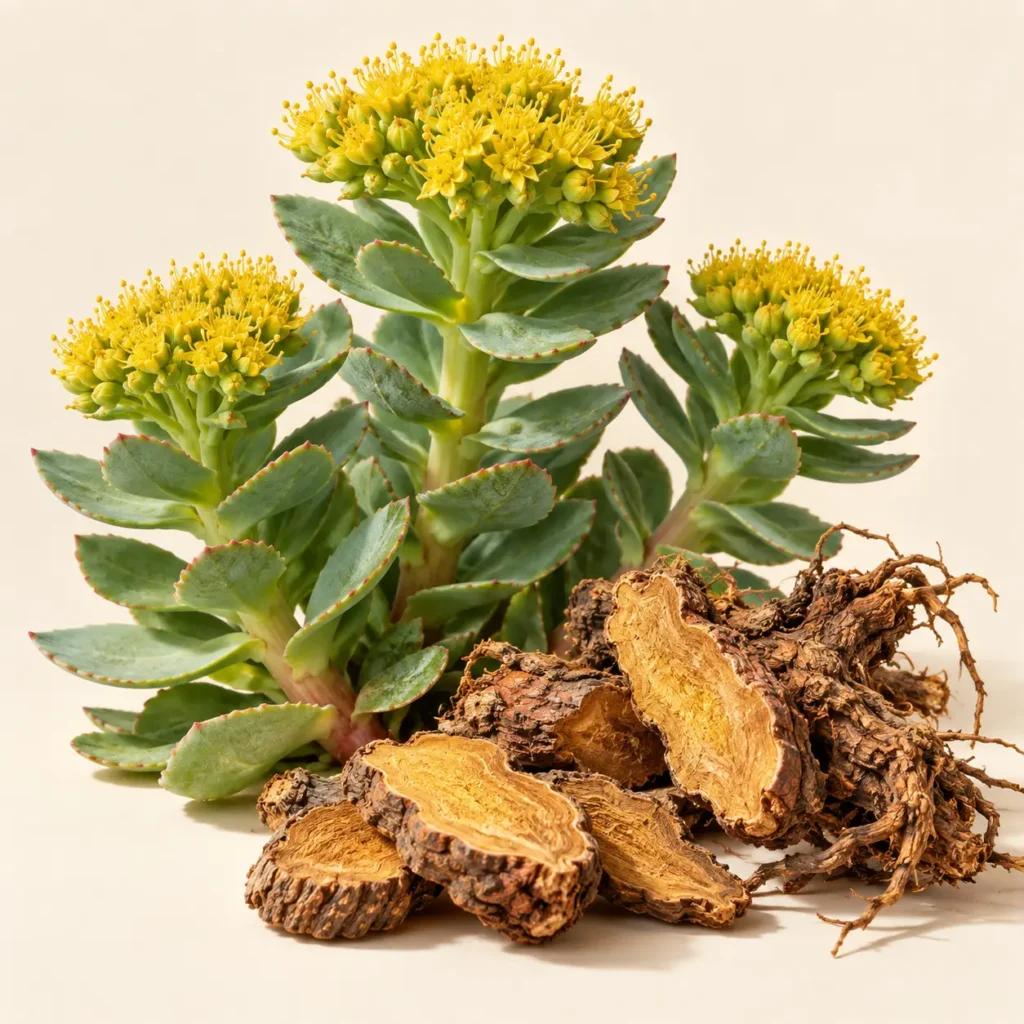
Rhodiola rosea
More stimulating adaptogen; traditionally used when stress is paired with fatigue, low stamina, or mental exhaustion; most commonly used as standardized root/rhizome extract in capsules or tablets. [11]
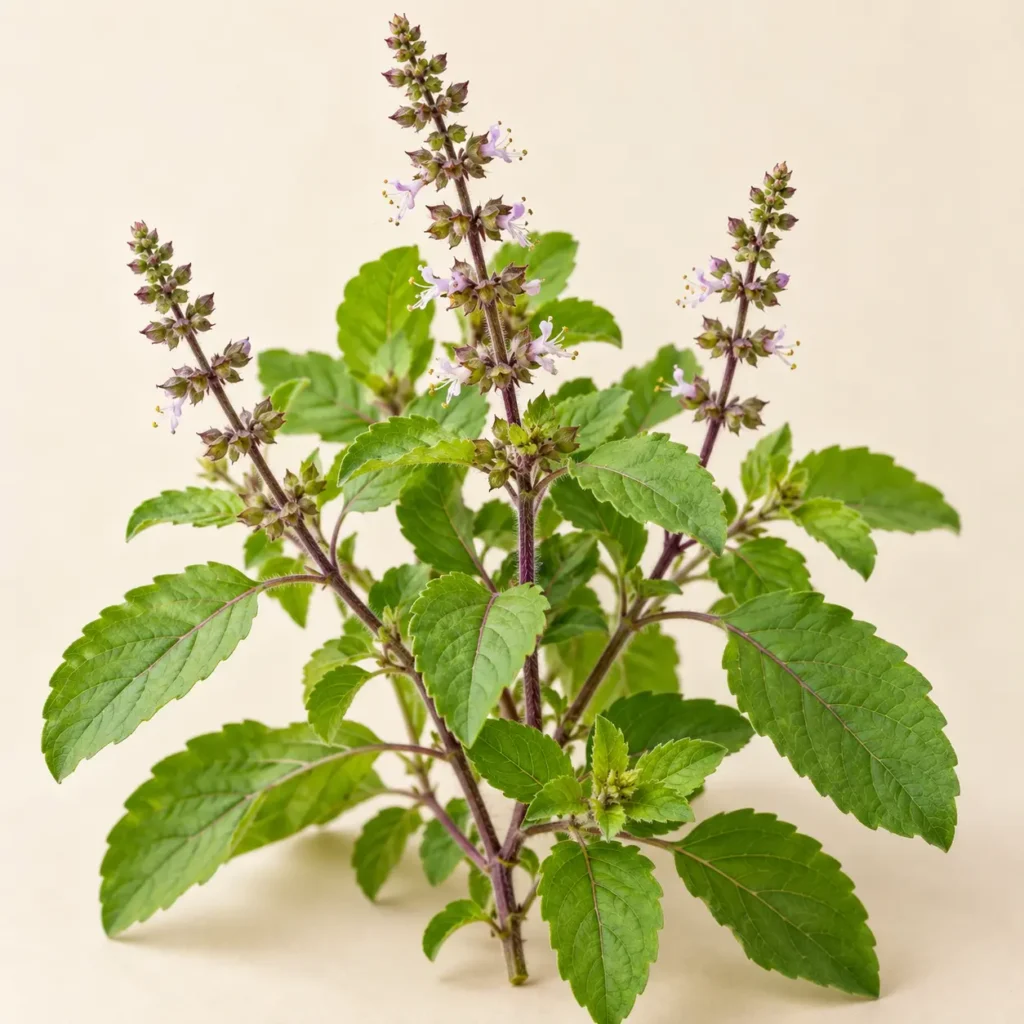
Holy basil (tulsi)
Adaptogenic and gently calming herb; often used when stress feels mentally busy, tense, or draining; common forms are herbal tea, tincture, and standardized leaf extract capsules. [12]
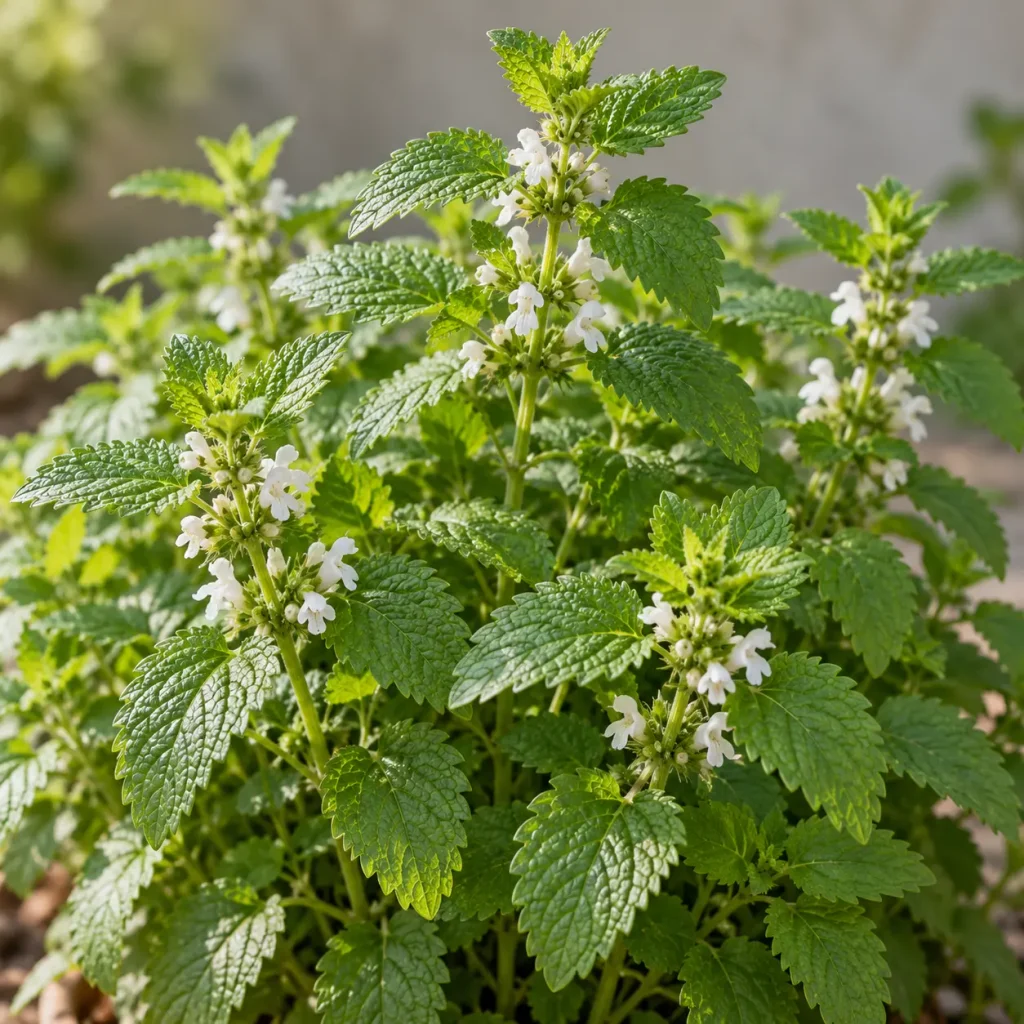
Lemon Balm
Calming nervine; may help ease restlessness and make it easier to relax at the end of the day; commonly used as herbal tea, tincture, or liquid/solid extract. [13]
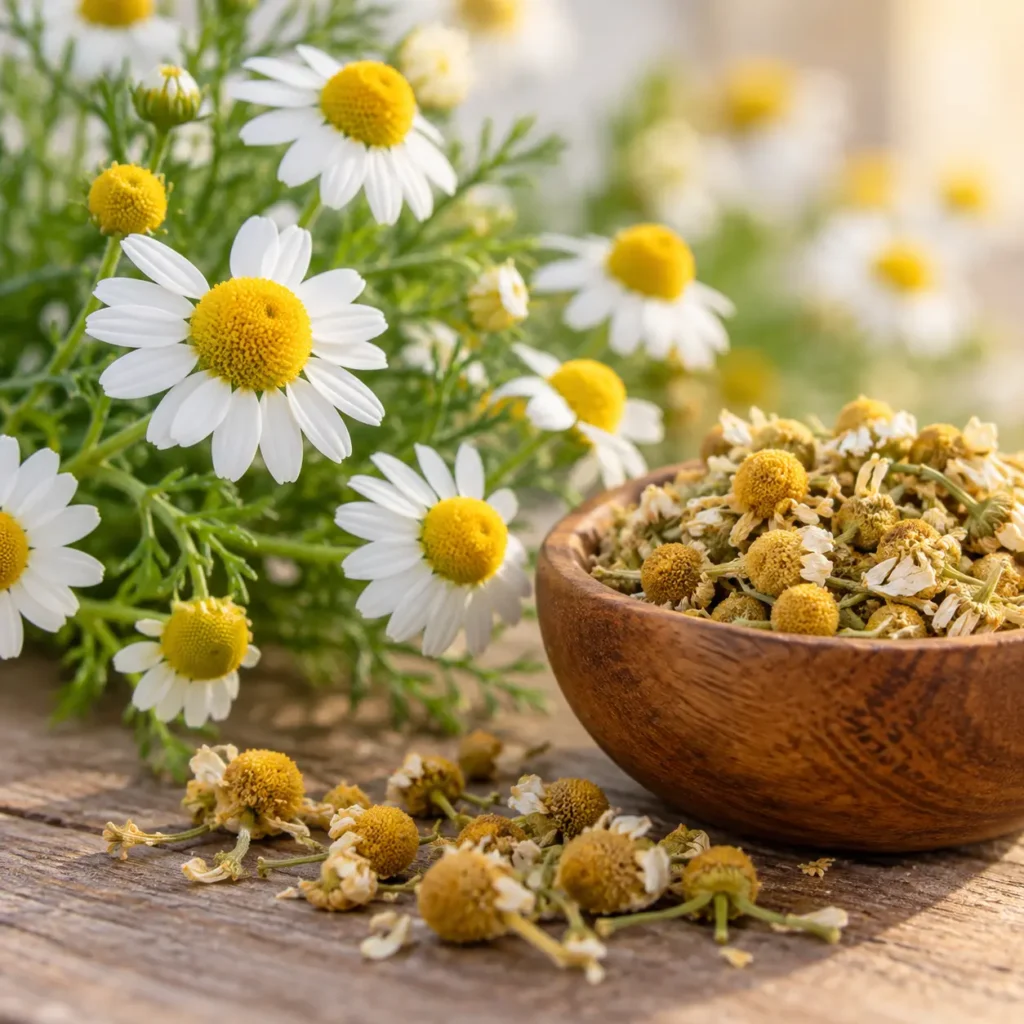
Chamomile
Gentle calming nervine; often used for winding down, nervous stomach, and bedtime relaxation; the most familiar form is tea, with extracts and capsules also available. [15]
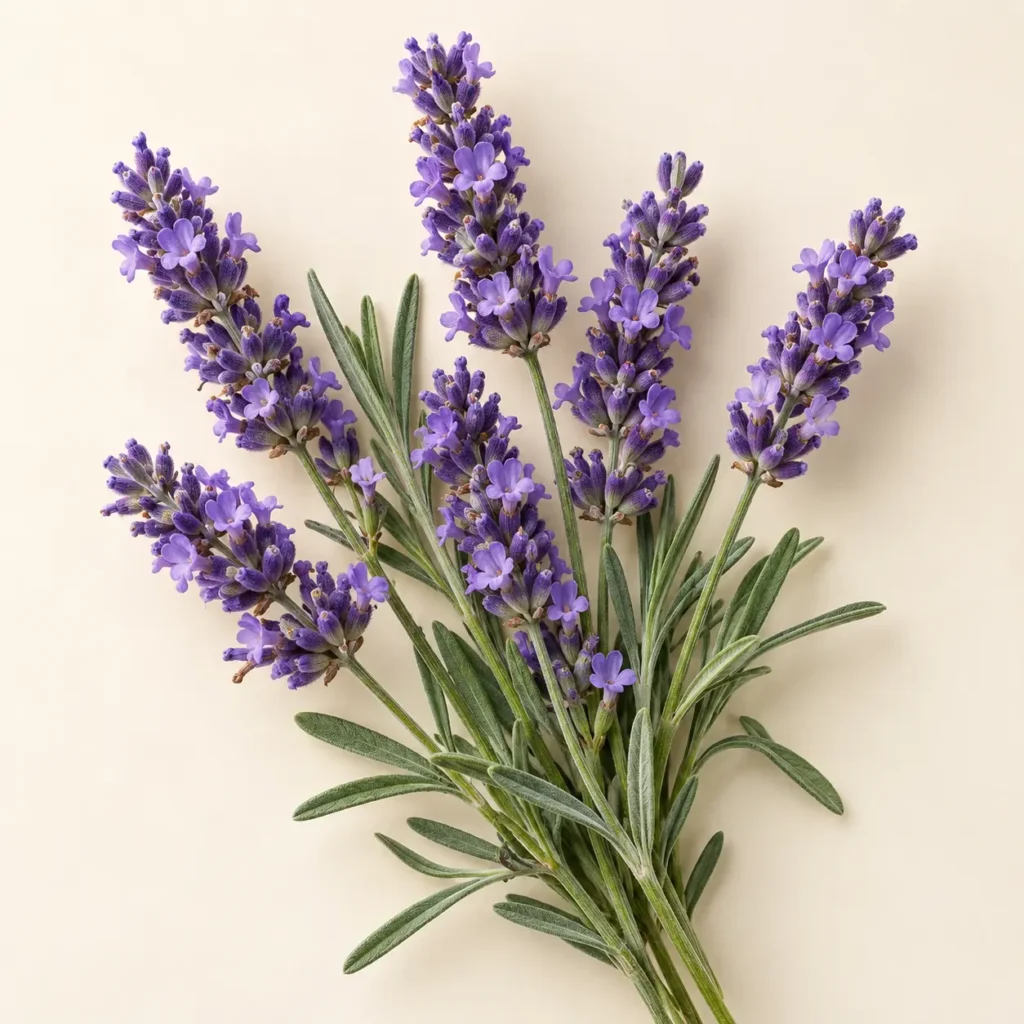
Lawender
Aromatic calming nervine; commonly used to promote relaxation when stress shows up as tension or difficulty settling; used as tea, aromatherapy, or specific standardized oral lavender-oil products. Ordinary essential oils should not be swallowed unless they are specifically formulated for oral use. [14]
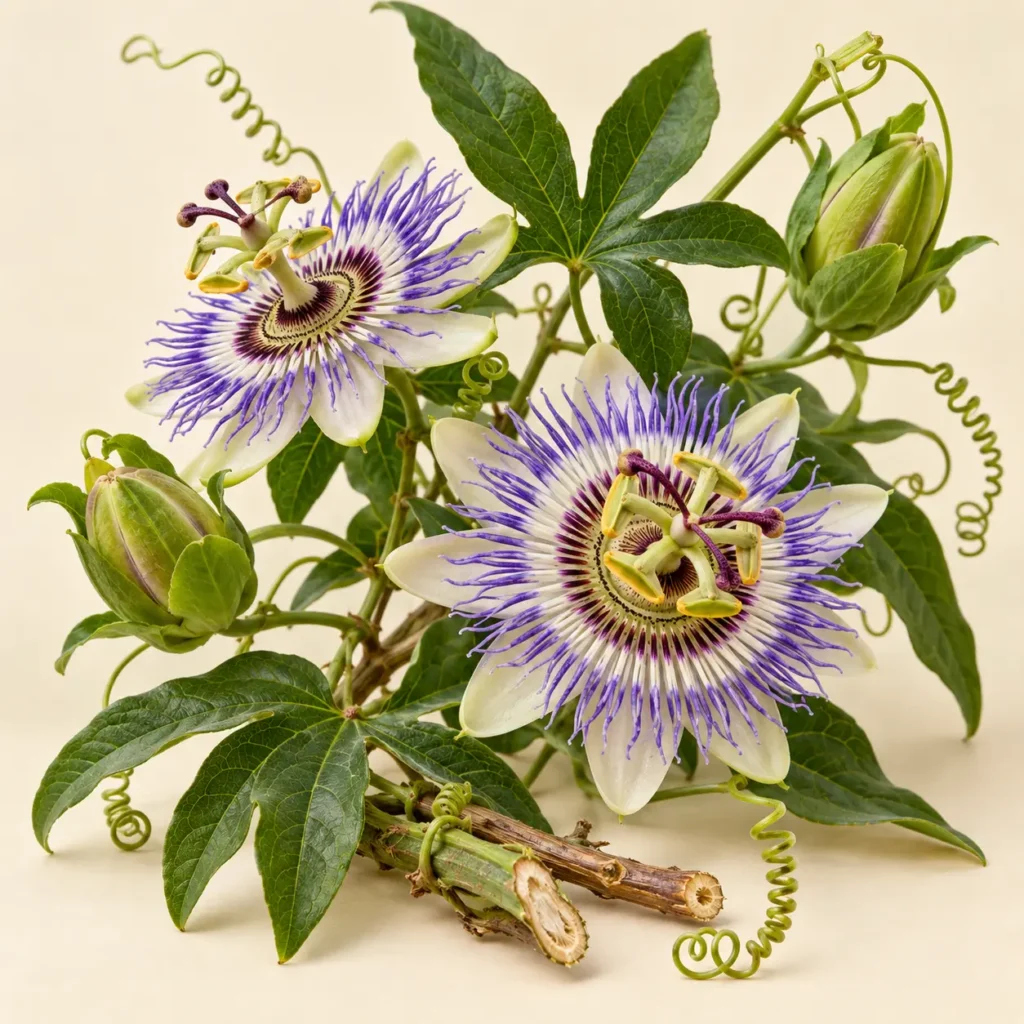
Passionflower
Calming nervine; often used for nervous restlessness and trouble switching off, especially toward bedtime; common forms are tea, tincture, and extract capsules. [16]
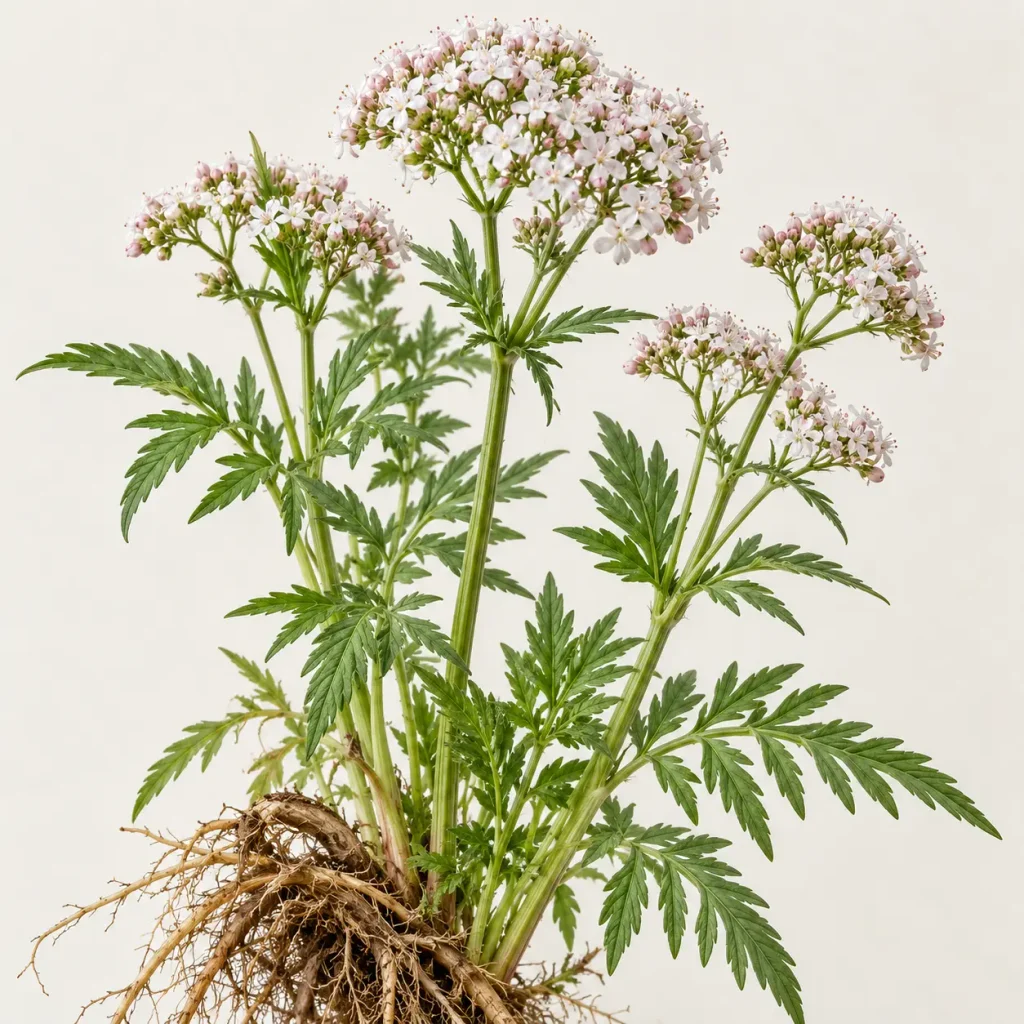
Valerian
Stronger relaxing/sedating nervine; used more often when stress interferes with sleep or evening relaxation; commonly taken as tea, tincture, capsules, or extract. [17]
For a closer look at individual herbs, their research, and important safety differences, explore our guide to herbs for stress.
2. Nutrition
Nutrition for stress should stay simple: regular meals, enough fluids, adequate protein and fiber-rich foods, and fewer extremes. The more useful question is whether you are meeting needs for nutrients that support normal nerve, muscle, brain, and energy function rather than chasing a “stress diet.” [1] [4]
Magnesium: supports normal nerve and muscle function and is often relevant when stress comes with muscle tension or poor dietary intake. Natural sources include pumpkin seeds, almonds, and spinach. [18]
Magnesium is one nutrient often discussed in relation to stress. Learn what clinical research does—and does not—support in our guide to magnesium for stress.
Omega-3 fatty acids: support normal brain and cardiovascular function and can be part of a nutrient-dense pattern during prolonged stress. Natural sources include salmon or sardines, walnuts, and chia or flax seeds. [19]
Vitamin B6: supports normal metabolism and nervous-system function. Natural sources include poultry, fish, and potatoes or other starchy vegetables. High-dose supplements are not automatically better and can cause harm when overused. [20]
Food detail belongs in the dedicated Nutrition guide. For the hub, the main idea is consistency: do not let long gaps between meals, dehydration, or an increasingly restrictive diet add another stressor.
3. Physical
Physical practices can lower the sense of being “stuck” in stress by giving the body movement, a change in breathing pattern, or a deliberate shift toward the relaxation response. Choose practices that feel repeatable rather than punishing. [6] [7] [9]
Aerobic exercise: brisk walking, cycling, swimming, or similar rhythmic activity can help reduce short-term anxiety, improve sleep, and provide a regular outlet for stress when the intensity matches your capacity. [9]
Walking: a low-friction option that can combine movement, daylight, a change of environment, and a transition between work and home.
Strength training: can provide a structured physical outlet and support overall health; the goal is steady training, not exhausting workouts on top of an already overloaded week.
Yoga: combines movement, breathing, balance, and attention; it can be useful when stress includes muscle tension or difficulty slowing down. [6]
Breathing practices: slow diaphragmatic breathing and other paced-breathing methods can help shift breathing and arousal toward a calmer pattern; start gently rather than forcing very deep breaths. [7]
Meditation: a mind-body practice that trains attention and can make it easier to notice stress without reacting automatically; brief, regular practice is often more realistic than long sessions. [8]
Progressive muscle relaxation: alternates deliberate muscle tension and release, helping you notice and reduce physical tension that has become habitual during stress. [7]
Looking for a simple place to start? See how to make walking for stress relief part of an everyday routine.
4. Mental
Mental strategies do not remove a real stressor, but they can reduce the extra load created by catastrophic thinking, rumination, avoidance, and trying to solve everything at once. The most useful skill depends on whether the problem is changeable, uncertain, emotional, or simply too large to hold in your head.
Cognitive reframing: tests whether your first interpretation is the only reasonable one and helps separate facts from stress-amplifying assumptions.
Problem-solving: works best for stressors you can influence: define the problem, identify the next practical action, and stop trying to solve the entire future at once.
Grounding: uses attention to immediate sensory information to interrupt spiraling thoughts and bring focus back to the present moment.
Journaling: can move worries and decisions out of working memory; structured prompts are usually more useful than repeatedly writing the same anxious thoughts.
Self-compassion: reduces the additional pressure of judging yourself for being stressed; it is not the same as avoiding responsibility or pretending the problem does not matter.
Therapy or counseling: becomes more important when stress is persistent, tied to anxiety or depression, driven by trauma, or causing major impairment. Professional care can address patterns that self-help tools cannot reliably resolve.
Explore practical approaches for managing stressful thoughts and reactions in our guide to mental strategies for stress.
5. Lifestyle
Lifestyle is where stress often either accumulates or gets a chance to resolve. Small daily conditions matter because they repeat: sleep timing, work boundaries, recovery time, substance use, social connection, and how much stimulation follows you into the evening. [1] [4]
Sleep: protect a reasonably consistent sleep window and a real wind-down period; chronic sleep loss makes coping harder and can turn normal demands into a heavier load.
Recovery time: build short pauses into demanding days and longer periods in which work, caregiving, or digital input is genuinely reduced.
Work boundaries: create clear stop points, communication rules, and transition rituals so the workday does not expand into every available hour.
Digital load: reduce unnecessary notifications, rapid task switching, doomscrolling, and late-night input when they keep the nervous system activated.
Caffeine and alcohol: notice whether caffeine is amplifying jitteriness or sleep problems and whether alcohol is becoming the main way you switch off. Using either to compensate for chronic overload can create a second problem.
Social connection: protect contact with people who feel supportive and safe. Practical support, shared responsibility, and a sense of connection can reduce the burden of stress.
Small changes to daily routines can support stress management. Explore lifestyle habits for stress for practical options.
Understanding Stress
WHO defines stress as a state of worry or mental tension caused by a difficult situation. Stress is a natural human response that helps us address challenges and threats. In the short term, that response can sharpen attention and mobilize energy. The problem is not that the stress response exists; it is that the load can become too intense, too frequent, or too prolonged for recovery to keep up. [1] [2]
Types and Patterns of Stress
There is no single universally accepted medical list of “stress types.” Different fields use different descriptive frameworks. The main patterns and labels readers are likely to encounter include:
Acute stress: short-term stress linked to an immediate or recent demand, such as an argument, deadline, close call, exam, or sudden problem. It usually settles after the event passes and recovery begins. [3]
Episodic acute stress: a pattern in which acute stress keeps happening again and again, often because life is repeatedly rushed, overloaded, conflict-heavy, or crisis-driven. [3]
Chronic stress: ongoing stress that persists for weeks, months, or longer because the underlying stressor or pattern does not resolve. Examples can include long-term financial strain, caregiving, discrimination, unsafe conditions, chronic conflict, or relentless workload. [2] [4]
Traumatic stress: the intense stress response that can follow exposure to traumatic events such as violence, disaster, serious injury, or other experiences that threaten safety. Persistent symptoms may require trauma-informed professional care. [5]
Eustress: a useful descriptive term for positive or manageable stress that feels challenging but can improve focus, motivation, or performance — for example preparing for a meaningful event. [4]
Distress: a descriptive term for stress that feels overwhelming, unpleasant, or beyond current coping resources and begins to interfere with wellbeing or functioning.
Clinical conditions such as acute stress disorder and post-traumatic stress disorder are not simply “more severe everyday stress.” They have specific diagnostic criteria and should be evaluated appropriately when trauma symptoms persist or impair daily life. [5]
Common Stress Contexts
Work or occupational stress: workload, low control, role conflict, job insecurity, difficult environments, or poor recovery between work periods.
Financial stress: debt, unstable income, unexpected expenses, housing pressure, or long-term economic uncertainty.
Caregiver stress: sustained responsibility for a child, older adult, partner, or family member with substantial needs.
Relationship or family stress: conflict, separation, parenting strain, loneliness, grief, or ongoing instability in close relationships.
Health-related stress: illness, chronic pain, a new diagnosis, medical uncertainty, recovery, or concern about another person’s health.
Academic or performance stress: exams, deadlines, competition, evaluation, or sustained performance pressure.
Environmental or community stress: noise, unsafe neighborhoods, disasters, discrimination, displacement, or community violence.
Social and digital stress: constant comparison, conflict, information overload, notifications, or repeated exposure to distressing news.
Major life-change stress: moving, retirement, marriage, divorce, job change, bereavement, or other transitions that require substantial adaptation.
What Stress Can Look Like
- Feeling tense, irritable, worried, frustrated, impatient, or emotionally overloaded.
- Trouble concentrating, making decisions, remembering details, or switching off after the stressful situation ends.
- Headaches, muscle tension, jaw clenching, stomach upset, changes in appetite, sweating, trembling, or a faster heartbeat.
- Sleeping poorly, waking unrefreshed, or feeling “tired but wired.”
- Avoiding tasks, procrastinating, overworking, becoming unusually reactive, or losing interest in normal routines.
- Increasing reliance on alcohol, nicotine, sedating products, or other substances to relax.
A useful question is not only “Am I stressed?” but “What type of pattern is this, what is driving it, how well am I recovering, and what is it starting to cost me?”
Stress Is Not the Explanation for Every Symptom
Stress can create real physical symptoms and can worsen some existing health problems. But new, severe, persistent, or unexplained symptoms still deserve appropriate medical evaluation. Do not assume chest pain, fainting, major breathing difficulty, new neurologic symptoms, or another concerning change is “just stress.” [1]
Stress can also overlap with anxiety, depression, burnout, trauma-related conditions, sleep disorders, substance-use problems, thyroid or other medical problems, and medication effects. When symptoms are persistent or significantly affecting daily life, getting the right assessment matters more than forcing everything into a stress label.
SAFETY FIRST — HERBS & SUPPLEMENTS
Before using an herb or supplement for stress, ask four questions:
1: What exact product or preparation was studied?
2: How strong is the evidence?
3: What are the risks?
4: Could it interact with medications or health conditions?
Important: sedating herbs can compound other sedatives; ashwagandha has important pregnancy, thyroid, autoimmune, liver, surgery, and medication cautions; and essential oils should not be swallowed unless specifically formulated for oral use. [10] [14] [15]
How the Pieces Fit Together
A useful stress plan is layered, but it does not need to be crowded. Start with what is creating the most load and what is blocking recovery. If the main problem is a relentless workload, no herb can create a boundary for you. If the main problem is sleep loss, evening stimulants and late-night work may matter as much as any relaxation technique. If stress is tied to trauma, severe anxiety, depression, or substance use, professional care may be the most important part of the plan.
A practical order is: reduce avoidable stressors where you can → strengthen sleep, nutrition, movement, and recovery → add physical and mental regulation skills → use herbs or supplements selectively when they fit → involve a professional when symptoms, impairment, or uncertainty exceed what self-care can reasonably handle.
More interventions are not automatically better. The goal is a smaller number of useful pieces that you can repeat consistently and safely.
Recovery also matters. Our guide to recovery time and decompression explains how ordinary breaks and transitions can support wellbeing.
What to Do Next
If Stress Is Occasional and Manageable
- Name the main stressor instead of treating “stress” as one vague problem.
- Choose one recovery habit you can protect this week — walking, regular meals, a work shutdown time, sleep timing, or a brief breathing/relaxation practice.
- Reduce one obvious amplifier such as excess caffeine, late-night work, constant notifications, or using alcohol to unwind.
- Give the change enough time to notice a pattern before adding several more interventions.
If Stress Has Become Constant
- Look for structural causes: workload, caregiving, money pressure, conflict, chronic pain, illness, sleep debt, or lack of recovery time.
- Identify whether the pattern is acute, repeatedly acute, chronic, or trauma-related; the pattern changes what kind of help is most useful.
- Write down triggers, early warning signs, first actions, support people, and the point at which you will seek professional help.
- Consider professional evaluation if stress is affecting work, relationships, sleep, physical health, mood, substance use, or your ability to function.
If You Already Receive Medical or Mental-Health Care
Herbal, Nutrition, Physical, Mental, and Lifestyle approaches can still be useful, but coordinate them with existing treatment when interactions, medical conditions, or symptom severity matter. Do not stop prescribed treatment because a natural option sounds appealing.

When to Seek Professional Help
Talk with a healthcare or mental-health professional when stress is persistent, feels unmanageable, or begins to interfere with sleep, work, school, relationships, eating, substance use, or daily functioning. WHO recommends seeking help when coping is becoming difficult. [1]
- Stress symptoms continue for weeks and are not improving.
- You are struggling to get through the day, losing interest in normal activities, or having major problems concentrating or sleeping.
- You are relying more on alcohol, drugs, or sedating products to cope.
- You are having recurrent panic-like episodes, severe anxiety, depressed mood, or symptoms that may reflect another mental-health condition.
- Trauma-related symptoms are persistent, intrusive, or interfering with work, relationships, sleep, or normal routines.
- Physical symptoms are new, severe, unexplained, or concerning enough that a medical cause needs to be ruled out.
URGENT SUPPORT
Medical emergency: Call emergency services for severe chest pain, major breathing difficulty, fainting, or another immediate medical emergency.
Mental-health crisis: In the United States, call or text 988 or use the 988 Lifeline chat for suicidal thoughts, a mental-health or substance-use crisis, or severe emotional distress. [21]
Practical Takeaway
Stress is not something you have to solve with a single technique. We start with five connected areas — Herbal, Nutrition, Physical, Mental, and Lifestyle — and then ask which pieces actually match the pattern you are experiencing.
For many people, the biggest gains come from ordinary but powerful basics: more recovery time, better sleep, regular movement, steady meals, fewer stress-amplifying habits, clearer boundaries, and practical coping skills. Herbal strategies can add support when they are chosen for the right pattern — for example adaptogens for ongoing strain or calming nervines for tension and difficulty winding down — but they are only one part of the picture.
If stress keeps spreading into your health or daily functioning, getting professional help is not a failure of natural self-care. It is part of using the right tool for the situation.
Frequently Asked Questions
Is All Stress Bad?
No. Short-term stress is a normal adaptive response and can help with focus, motivation, or action. The bigger concern is stress that is too intense, happens too often, or continues without adequate recovery. [1] [4]
What Is the Difference Between Acute and Chronic Stress?
Acute stress is short-term and tied to a recent or immediate challenge. Chronic stress continues over time because the stressor or pattern does not resolve. Episodic acute stress sits between those patterns: repeated episodes of acute stress keep occurring again and again. [3]
Can Stress Cause Physical Symptoms?
Yes. Stress can be associated with headaches, muscle tension, stomach symptoms, changes in appetite, sleep problems, sweating, and a faster heartbeat. New, severe, or unexplained physical symptoms should still be medically evaluated rather than automatically blamed on stress. [1] [2]
Which Herbs Are Commonly Used for Stress?
Herbalists commonly use two broad strategies: adaptogens such as ashwagandha, rhodiola, and holy basil for ongoing stress resilience, and calming nervines such as lemon balm, chamomile, lavender, passionflower, and valerian for tension and winding down. The best choice depends on the pattern, preparation, safety profile, and medications.
Is Magnesium the Main Nutrient for Stress?
Magnesium is often discussed because it is required for normal nerve and muscle function, but it is not a universal stress treatment. Meeting overall nutrient needs matters more than assuming one supplement will solve chronic stress. Food sources such as pumpkin seeds, almonds, and spinach can contribute substantial magnesium. [18]
How Do I Know When Stress Is More Than “Normal Stress”?
Pay attention to duration, impairment, recovery, and safety. If stress is persistent, is disrupting sleep or daily functioning, is tied to trauma or severe mood symptoms, is driving escalating substance use, or feels impossible to manage with ordinary coping, it is reasonable to seek professional evaluation.
References
- World Health Organization — Stress — Questions and answers, March 30, 2026
- American Psychological Association — Stress — Overview and stress resources
- American Psychological Association — Los distintos tipos de estrés — APA framework describing acute, episodic acute, and chronic stress
- American Psychological Association — Healthy Ways to Handle Life’s Stressors — Updated October 22, 2024
- American Psychological Association — How to Cope With Traumatic Stress — Updated May 23, 2025
- NCCIH — Stress — National Center for Complementary and Integrative Health
- NCCIH — Relaxation Techniques: What You Need To Know
- NCCIH — Meditation and Mindfulness: Effectiveness and Safety
- CDC — Health Benefits of Physical Activity for Adults — Updated March 10, 2026
- NCCIH — Ashwagandha: Usefulness and Safety
- European Medicines Agency — Rhodiolae roseae rhizoma et radix — EU herbal monograph / assessment
- PubMed — Holy Basil Extract and Stress, Mood, and Sleep Trial — Lopresti et al., Frontiers in Nutrition, 2022
- European Medicines Agency — Melissae folium (Lemon Balm) — EU herbal monograph
- NCCIH — Lavender: Usefulness and Safety
- NCCIH — Chamomile: Usefulness and Safety — Updated November 2024
- European Medicines Agency — Passiflorae herba (Passion Flower) — EU herbal monograph
- European Medicines Agency — Valerianae radix (Valerian Root) — EU herbal monograph
- NIH Office of Dietary Supplements — Magnesium Fact Sheet
- NIH Office of Dietary Supplements — Omega-3 Fatty Acids Fact Sheet
- NIH Office of Dietary Supplements — Vitamin B6 Fact Sheet
- 988 Suicide & Crisis Lifeline — Official Site