
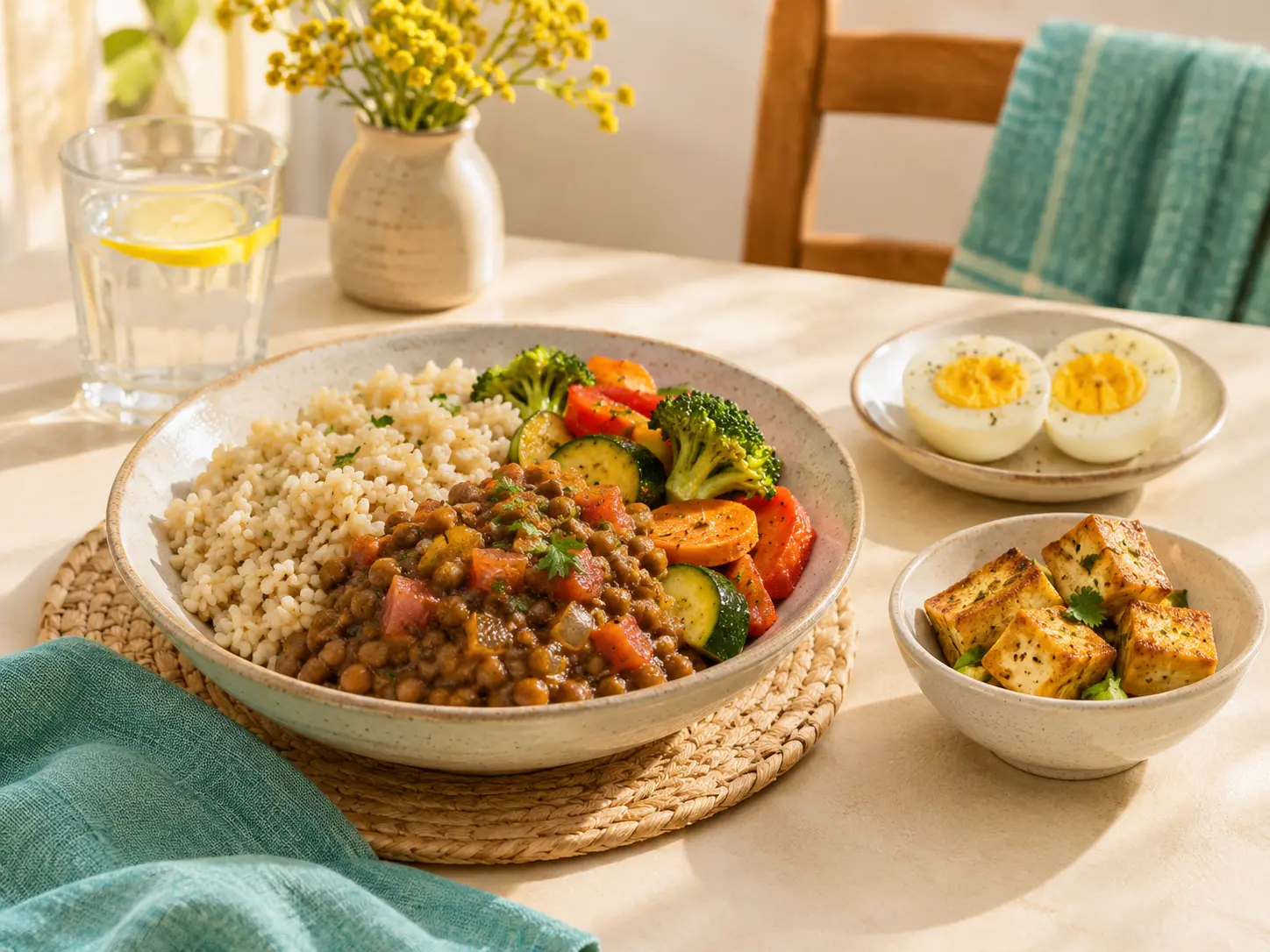
Protein is essential for building and maintaining tissues, but it is not a quick substitute for sleep, enough food, or medical evaluation of persistent fatigue. If you regularly skip meals or rely on low-protein snacks, checking whether your usual meals include a protein source is a sensible place to begin.
The more useful question is not “How much extra protein will boost my energy?” but “Am I consistently getting enough protein and overall nutrition for my needs?”
QUICK INSIGHT
About Protein and Energy
Bottom line: Adequate protein supports normal health and muscle maintenance; eating additional protein beyond your needs is not proven to fix everyday tiredness.
Evidence snapshot: Strong evidence for protein’s essential biological roles; limited direct evidence that adding protein alone improves nonspecific fatigue in adequately nourished adults.
Who this matters for most: People whose food intake is insufficient or restricted, older adults, and those with higher needs or illness-related nutritional risk may especially benefit from assessing adequacy.
Practical route: Include a realistic protein source in meals and snacks, alongside carbohydrate-rich foods, produce and enough overall calories.
Key safety point: Persistent, unexplained, or worsening fatigue needs assessment; people with kidney disease or medically prescribed diets should seek individualized protein guidance.
How protein connects to everyday energy
Your body uses amino acids from dietary protein to make and repair tissues, enzymes, transport proteins and other molecules involved in normal function. Protein also supplies calories (4 kcal per gram), but carbohydrate and fat provide substantial dietary energy too. If total calorie intake is too low, eating more protein by itself may not address the shortfall.
Inadequate protein over time can contribute to loss of muscle and weakness, especially when combined with too little overall food. Weakness and fatigue can feel similar, but they are not identical. Tiredness may also reflect poor sleep, anemia, medication effects, thyroid problems, mood concerns, dehydration or other conditions. A protein-related explanation should not be assumed from symptoms alone.
What the evidence does—and does not—show
1. Meeting needs matters more than chasing extra grams
Dietary reference standards establish that protein is essential and provide intake frameworks for groups of people. These are population benchmarks, not a diagnosis of low protein intake. Current U.S. dietary guidance emphasizes a range of protein foods and adjustment to individual needs. Requirements can change with age, pregnancy, activity, health status and total energy intake.
2. Protein supplements are not established treatments for ordinary fatigue
Studies of protein supplements frequently focus on muscle mass, strength, exercise recovery or nutrition in specific populations. Those outcomes should not be translated into a claim that a protein shake relieves fatigue in a generally well-nourished adult. No reliable universal protein dose has been shown to cure nonspecific low energy.
3. A balanced pattern provides more than protein
Foods containing protein often bring other nutrients. Lentils supply fiber and folate; fish may supply omega-3 fats; dairy or fortified alternatives may contribute calcium; eggs and lean meats provide different micronutrients. Variety and sufficient total food intake matter as much as a single macronutrient.
EVIDENCE
Evidence distinction: the physiological need for protein is well established. Whether increasing protein above adequate intake improves subjective energy or fatigue in otherwise healthy adults is much less certain. Do not equate the two claims.
Food intake versus supplements
Ordinary foods can meet protein needs for many people without protein powders. Supplements can be convenient when access, appetite or clinical needs make food-based intake difficult, but they are not inherently better and may displace more varied foods. Protein powders differ in ingredients, additives and allergen content; a package claim about “energy” is not the same as evidence of clinical benefit.
Examples of protein-rich choices
Amounts vary by brand, preparation and portion. The examples below are approximate and intended for meal planning, not individualized protein prescriptions. Refer to food labels or USDA FoodData Central when precision matters.
| Food / typical portion | Approx. protein | Practical use |
|---|---|---|
| 1 large egg | ~6 g | Breakfast or quick meal |
| ½ cup cooked lentils | ~9 g | Soup, salad, grain bowl |
| 1 cup milk | ~8 g | With breakfast or a snack |
| 3 oz cooked chicken breast | ~26 g | Lunch or dinner |
| ½ cup firm tofu | ~10 g | Stir-fry or grain bowl |
| 1 oz nuts | ~6 g | Portable snack |
Sources and variability: University of Florida IFAS Extension, Facts about Protein (food examples), and USDA FoodData Central. Form and serving size matter; tofu and dairy products vary.
Who may need a closer look at protein adequacy?
A closer nutrition review can be worthwhile if you consistently eat too little, unintentionally lose weight, avoid many food groups without substitutes, have difficulty chewing or swallowing, or are recovering from an illness. Older adults may need additional attention to protein distribution and overall intake, but personal goals should reflect their health and activity. People with kidney disease can have very different needs depending on treatment and stage; do not use a general internet target in place of clinical guidance.
For someone who eats adequately and feels persistently exhausted, buying a higher-protein product may delay a more useful evaluation. Ask what else changed: sleep, workload, illness, medications, weight, eating patterns and ability to function.
A practical decision guide
- Look at a typical day, not one meal. Note meals skipped, restricted food choices and whether you are eating enough overall.
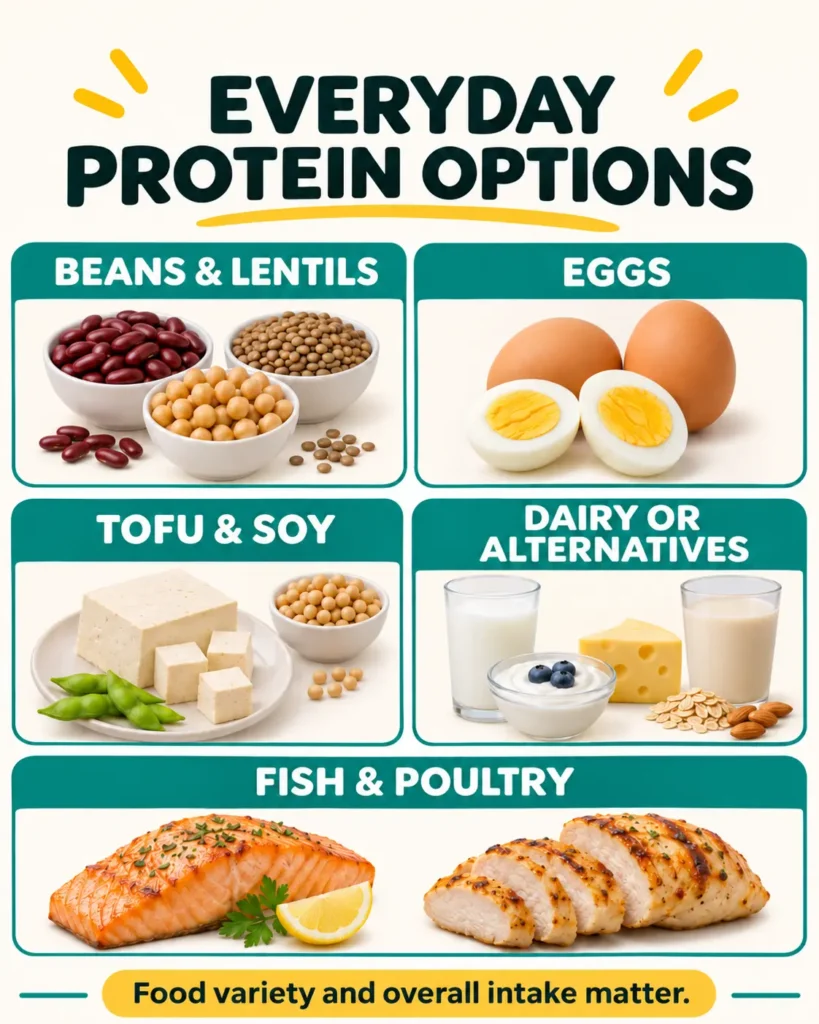
- Add an accessible protein source where it is missing: beans, lentils, eggs, tofu, yogurt, fish, poultry or a suitable alternative.
- Pair protein with other foods. A meal with vegetables, whole grains or other starches and healthy fats is more complete than protein alone.
- Choose a realistic routine. Keep canned beans, eggs, yogurt or prepared tofu available for busy days if those foods fit your diet.
- Review your response without expecting a rapid energy surge. Consider a dietitian or clinician when intake, weight loss or symptoms raise concerns.
A flexible day of eating: one example
| Time | Example | Easy alternative |
|---|---|---|
| Breakfast | Oatmeal plus yogurt and fruit | Toast with egg or tofu |
| Lunch | Lentil-and-vegetable bowl with a grain | Bean soup with whole-grain bread |
| Snack | Fruit and nuts | Yogurt or soy beverage |
| Dinner | Fish, tofu or beans with vegetables and rice | Leftover bean or lentil dish |
This is a menu illustration, not a fixed meal plan or prescribed intake. Change foods and portions to match preferences, allergies, appetite, budget and professional guidance.
Common mistakes to avoid
Treating protein as a stimulant: protein does not act like caffeine. Doubling supplements without assessing actual intake: more may not be helpful. Cutting most carbohydrates to “make room” for protein: that can undermine overall energy intake and variety. Assuming fatigue proves deficiency: many causes require evaluation. Using an athlete’s supplement protocol as a general health prescription: study populations and goals differ.
SAFETY
Seek medical advice for fatigue that persists, worsens, affects daily activities, or comes with unintended weight loss, fever, shortness of breath or other concerning symptoms. Seek urgent care for chest pain, fainting, severe breathlessness or sudden neurological symptoms. If you have kidney disease, a metabolic condition requiring a prescribed diet, or serious food allergy, check protein goals and food choices with your care team before making major changes.
Protein supplements can contain milk, soy, nuts or other allergens and may interact with specific dietary restrictions. Pregnant or lactating people, children, and people with complex medical conditions need individualized guidance rather than the adult examples here.
What to explore next
Frequently asked questions
Does eating more protein give you instant energy?
Not in the way an energy drink is often marketed. Protein supplies calories and essential amino acids, but more protein than you need is not an established fix for fatigue.
Do I need a protein powder?
Not necessarily. Many people can meet needs with regular foods. A powder may be convenient in specific circumstances; it is not required for a balanced diet.
Can a vegetarian or vegan diet supply enough protein?
Yes, with adequate total food intake and a range of choices such as lentils, beans, soy foods, grains, nuts and seeds. People with restrictive diets or special requirements may benefit from dietitian guidance.
References
MedlinePlus. Dietary Guidelines for Americans 2025–2030 (protein foods and individualized intake). — https://medlineplus.gov/ency/article/002093.htm
University of Florida IFAS Extension. Facts about Protein (protein functions and food amounts). — https://ask.ifas.ufl.edu/publication/FS261
USDA FoodData Central (reference nutrient database). — https://fdc.nal.usda.gov/
USDA / Dietary Guidelines for Americans. Protein Foods: Scientific Advisory Report 2025. — https://www.dietaryguidelines.gov/sites/default/files/2024-12/2025_DGAC_FPM_Report_Protein%20Foods.pdf
National Institute of Diabetes and Digestive and Kidney Diseases. Eating Right for Chronic Kidney Disease. — https://www.niddk.nih.gov/health-information/kidney-disease/chronic-kidney-disease-ckd/eating-nutrition
MedlinePlus. Fatigue. — https://medlineplus.gov/ency/article/003088.htm