-
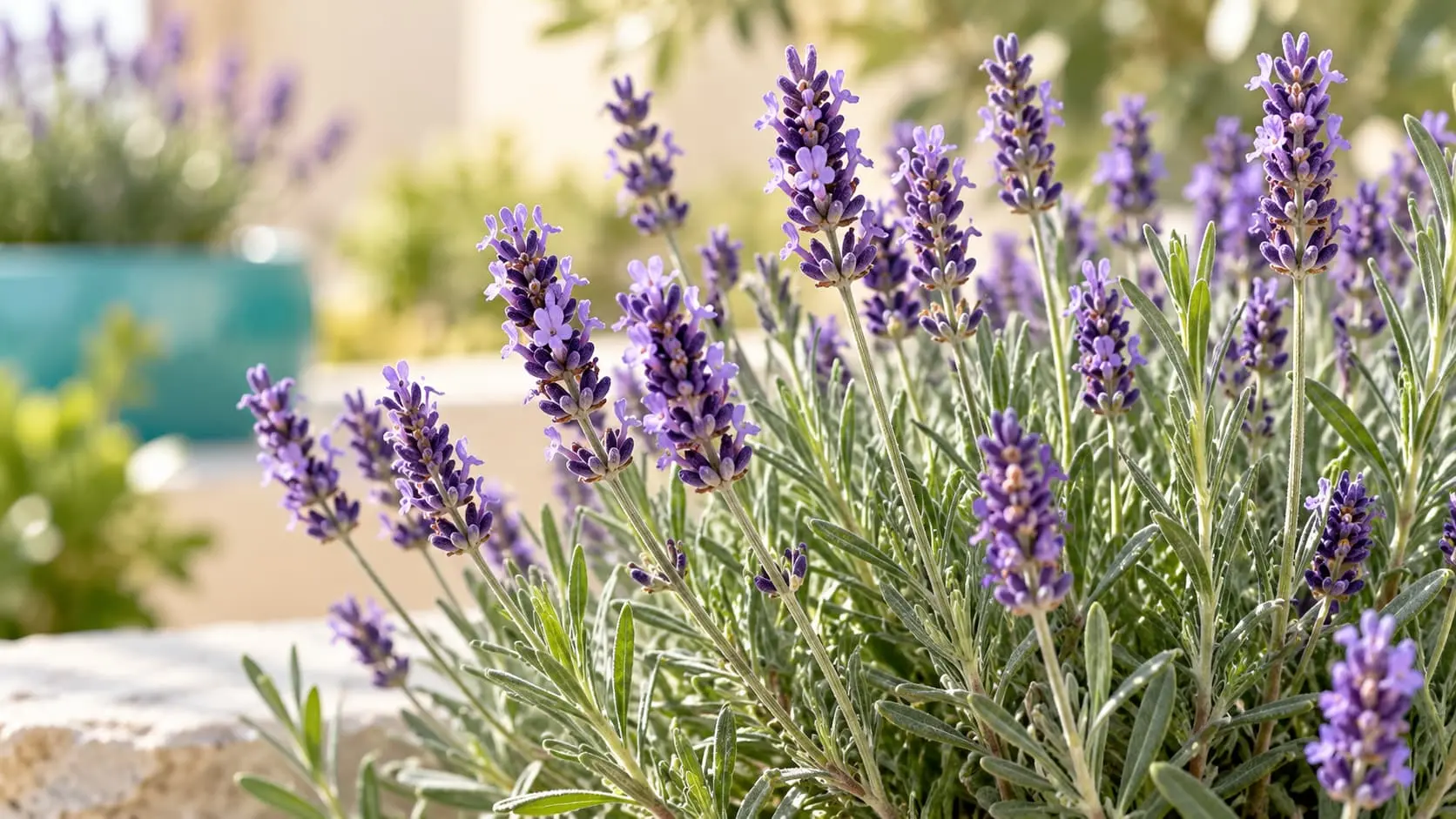
Lavender: Uses, Evidence, Safety, and How It’s Used
Lavender comes as flowers, tea, scented products, and specialized supplements. Learn what each form is used for, what the evidence suggests, and the safety checks…
-
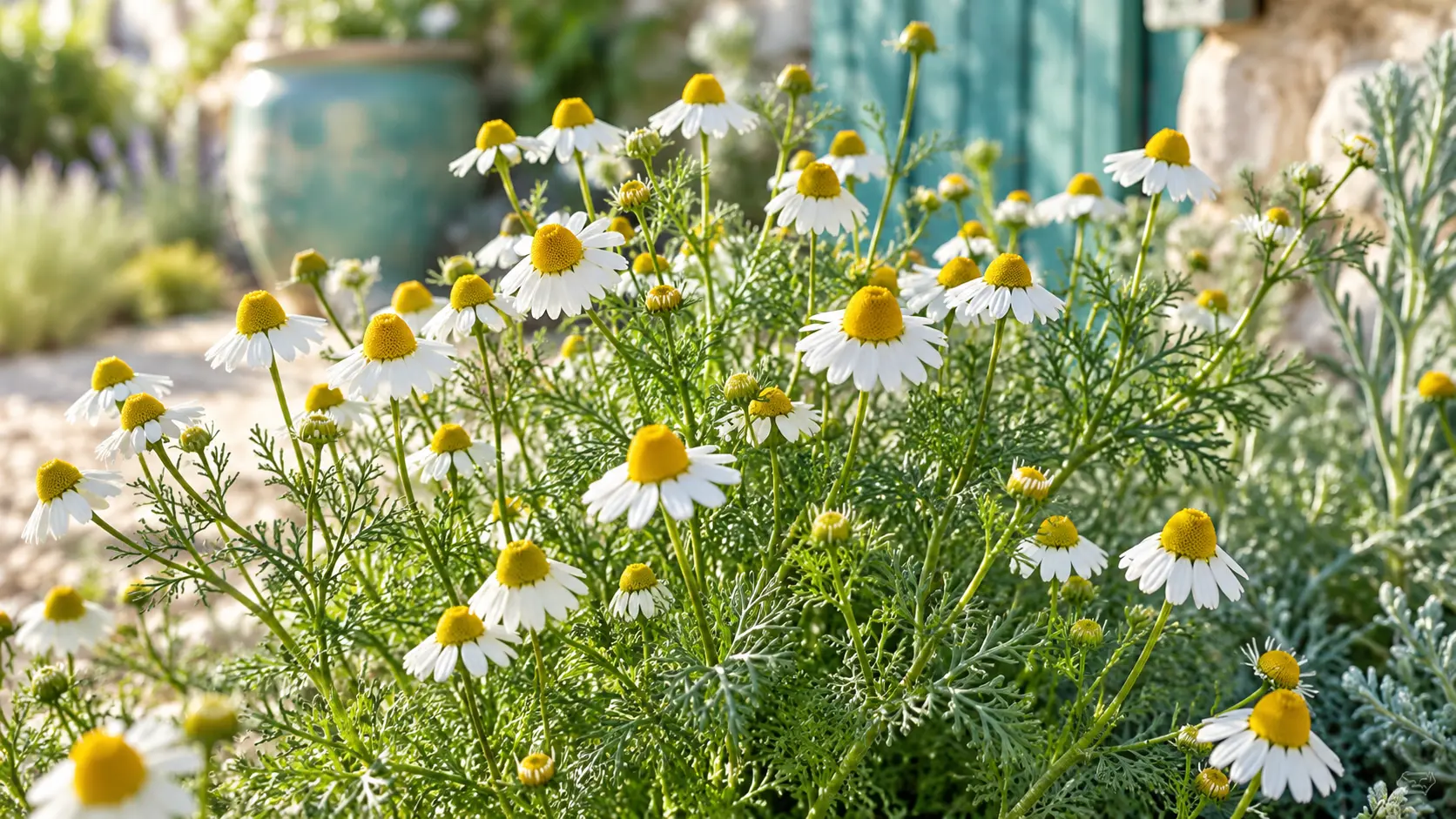
Chamomile: Uses, Evidence, Safety, and How It’s Used
Chamomile is more than a familiar herbal tea. Explore German chamomile’s common forms and uses, what research suggests about stress and sleep, and the safety…
-

Ashwagandha: Uses, Evidence, Safety, and How It’s Used
Ashwagandha is widely promoted for stress and sleep, but supplements vary and safety matters. Explore its botanical identity, common forms, possible uses, and key precautions…
-
Caffeine Use: Timing, Sensitivity, Sleep, and When to Cut Back
Coffee, tea, and other caffeine-containing products can make it easier to feel alert. But caffeine does not affect everyone the same way, and a drink…
-

Sleep Routine: How Consistency and Wind-Down Habits Support Better Sleep
A workable sleep routine starts with small repeatable habits. Learn six flexible steps for wake time, light, caffeine, wind-down, and bedtime comfort—and when to seek…
-

Sleep & Rest: A Whole-Picture Guide
Sleep is shaped by more than bedtime habits. Explore five connected approaches to healthy rest, understand common sleep problems, and learn when evidence-based professional support…
-

Chronic Insomnia: What Helps and What the Evidence Says
Chronic insomnia can be difficult to navigate when advice conflicts. Learn why CBT-I has the strongest support, what to know about medications and supplements, and…
-

Stress and Sleep: Why Tired Doesn’t Always Mean Sleepy
Being exhausted does not always mean sleep will come easily. Learn how sleep pressure, circadian timing, stress and everyday routines may interact—and which patterns deserve…
-
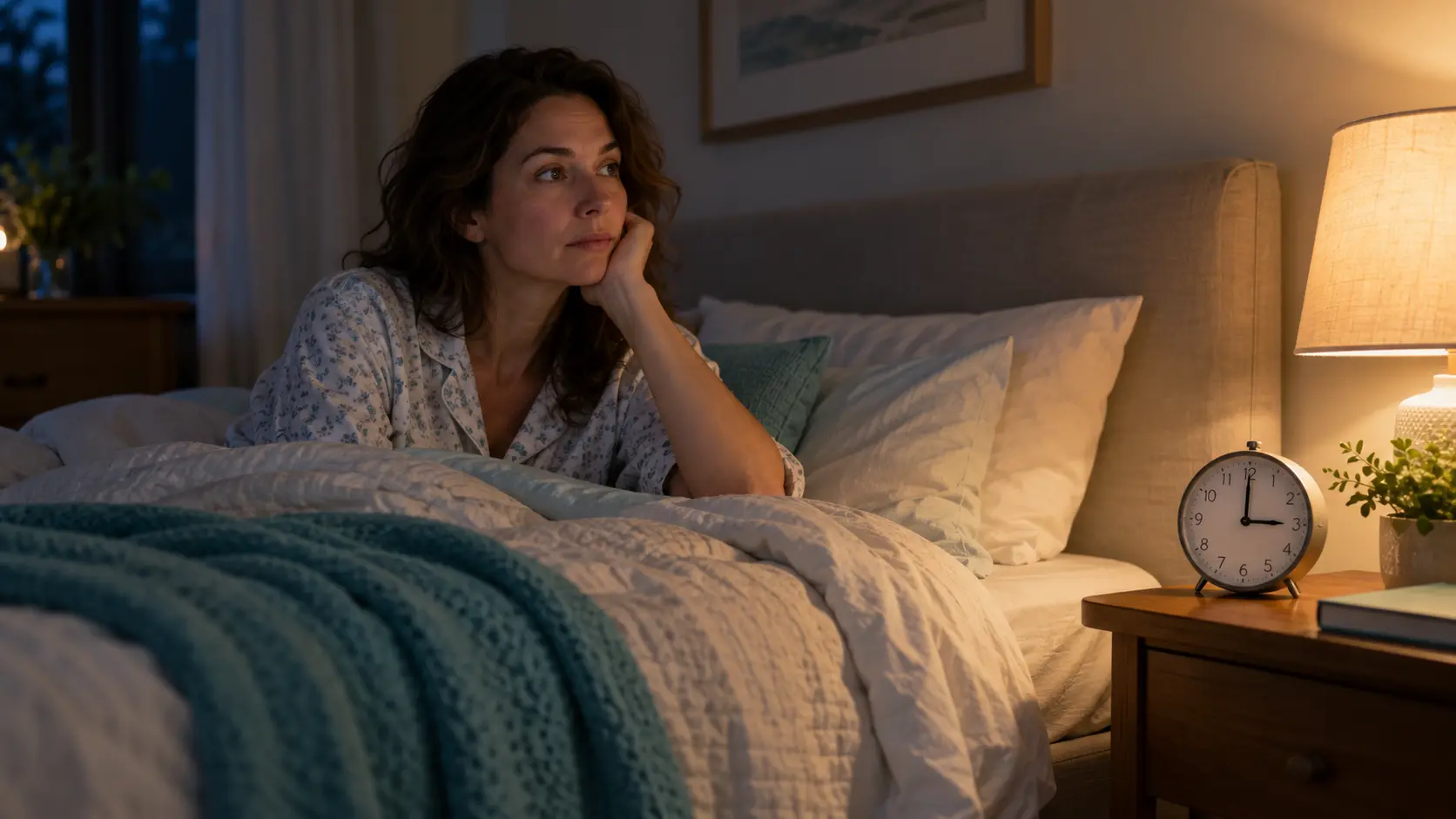
Why Do I Wake Up at 3 AM?
Waking at 3 a.m. does not point to one universal cause. Learn which patterns may matter, what you can try, and when a recurring sleep…