
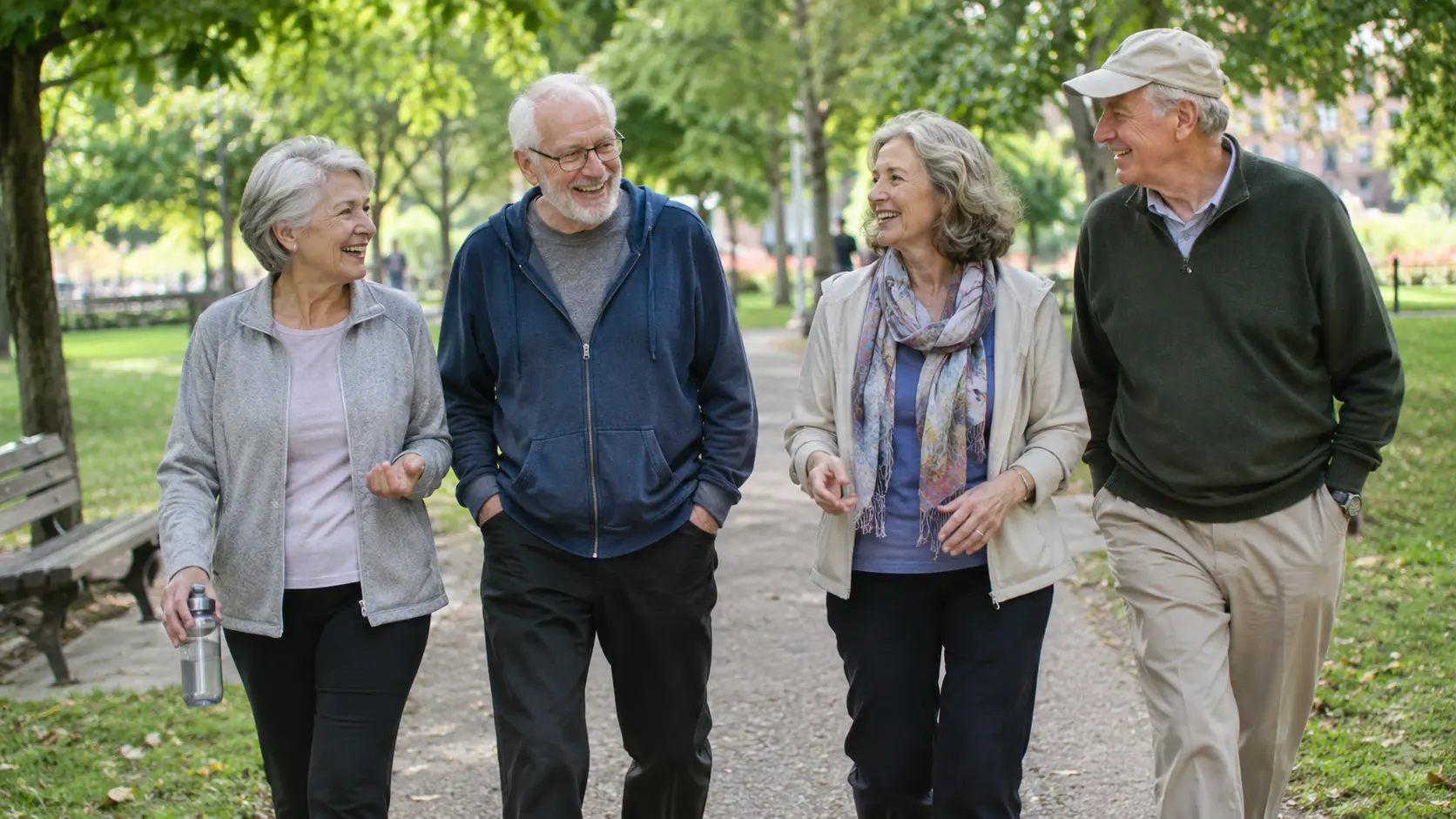
Healthy aging is not about stopping time or following a perfect wellness routine. It is about supporting your physical abilities, mental wellbeing, independence, and quality of life as your needs change.
Small everyday choices can make a difference, but healthy aging also depends on access to healthcare, supportive relationships, and safe living environments.
At UGetWell, we explore healthy aging through five connected approaches: nutrition, movement, mental wellbeing, lifestyle, and herbs or other complementary practices.
Quick Insight
Healthy aging means maintaining the ability to do what matters to you.
A practical starting point is to support muscle strength and mobility, eat varied nourishing foods, protect sleep, maintain meaningful relationships, and use preventive healthcare. No single food, supplement, or routine can guarantee longer life or prevent age-related disease.
What Does Healthy Aging Really Mean?
The World Health Organization emphasizes functional ability: being able to move, meet everyday needs, maintain relationships, make decisions, and participate in activities that matter.
Healthy aging does not require being completely free of medical conditions. Managing existing conditions and adapting daily habits can also support wellbeing.
Five Approaches to Healthy Aging
1. Movement: Maintain Strength, Mobility, and Balance
Regular movement can support cardiovascular health, physical function, and independence.
A well-rounded routine may include walking or another aerobic activity, resistance exercises, and balance practice.
For adults aged 65 and older, CDC guidelines recommend at least 150 minutes of moderate-intensity aerobic activity weekly, muscle-strengthening activities on at least two days, and activities that improve balance. These are general targets, not a requirement to push beyond individual abilities.
Explore our guides:
- Strength Training: Benefits, Basics, How to Start, and Safety
- Aerobic Exercise: Benefits, Types, How Much, and How to Start
- How to Build a Sustainable Weekly Movement Routine
2. Nutrition: Support Your Changing Needs
A varied eating pattern can help provide the nutrients required to maintain tissues, support normal body functions, and meet changing nutritional needs.
Consider including protein-containing foods, vegetables, fruits, whole grains, and appropriate fluids. Appetite, medications, health conditions, and individual nutritional requirements may affect what works best.
Explore our guides:
3. Sleep and Rest: Make Recovery Part of the Plan
Sleep supports everyday functioning, concentration, and wellbeing.
Consistent sleep opportunities, comfortable sleeping conditions, and attention to problems such as persistent insomnia can be useful starting points.
Sleep needs and patterns vary. Persistent problems deserve evaluation rather than automatically being dismissed as part of getting older.
4. Mental Wellbeing and Social Connection
Meaningful relationships, opportunities to learn, enjoyable activities, and emotional support can contribute to quality of life.
Social connection does not require a large network. Regular contact with a trusted friend, shared activities, or participation in a community can provide a starting point.
Explore: Social Support: Why Connection Matters and How to Strengthen It
5. Lifestyle, Prevention, and Complementary Practices
Everyday environments and preventive care matter alongside diet and exercise.
Age-appropriate preventive services, medication reviews, attention to vision and hearing, fall-risk assessment when appropriate, and safe, accessible surroundings can support daily function.
Herbal products and supplements deserve the same careful evaluation as other health interventions. Evidence varies, and some products may interact with medications. No supplement should be presented as a proven way to reverse aging.
How to Start: Five Practical Steps
- Choose one priority. Consider strength, sleep, nutrition, social connection, or another personally meaningful goal.
- Start with a manageable action. For example, add a comfortable walk or arrange regular contact with a friend.
- Check what is realistic. Take account of health limitations, cost, access, and energy.
- Review your experience. Notice whether the change is sustainable and useful.
- Adjust and seek guidance when needed. Build gradually and discuss concerning changes with a qualified healthcare professional.
Evidence and Safety
Evidence snapshot: Physical activity, adequate nutrition, preventive healthcare, and supportive social environments are important components of healthy aging. Their benefits and appropriate implementation vary between individuals.
Safety note: New weakness, frequent falls, unexplained weight loss, major memory changes, persistent fatigue, or other concerning symptoms should not automatically be attributed to normal aging. Seek professional evaluation. Exercise and dietary changes may require individual adaptation.
The UGetWell Approach
Healthy aging is a continuing process, not a single achievement. The goal is to create a practical combination of choices and supports that fits your abilities, preferences, and circumstances.
Start with what matters most to you, use evidence to guide decisions, and adjust as your needs change.