
Stress & Emotional Wellbeing
-

What Is Stress? How the Stress Response Works
Stress affects both mind and body. Learn how the stress response works, then find practical options that fit what you are experiencing.
-
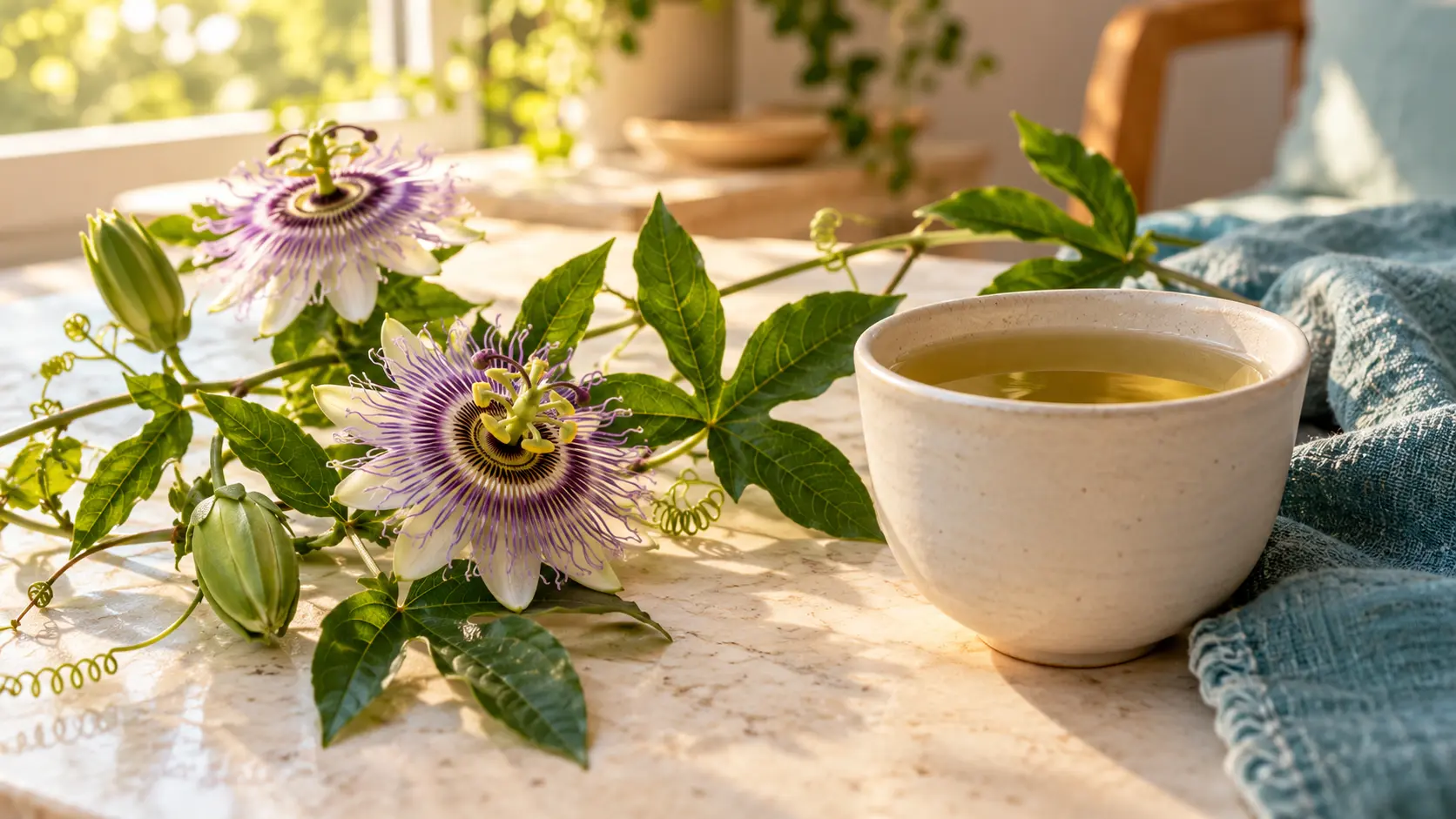
Passionflower for Stress: What We Know and What We Don’t
Passionflower has a long history of use for restlessness and mild mental stress. But traditional use and evidence from clinical trials are not the same thing: for everyday stress, research remains too limited to promise a reliable effect. [1,2] If you are considering passionflower tea or a supplement, the species, plant part, preparation, and your…
-
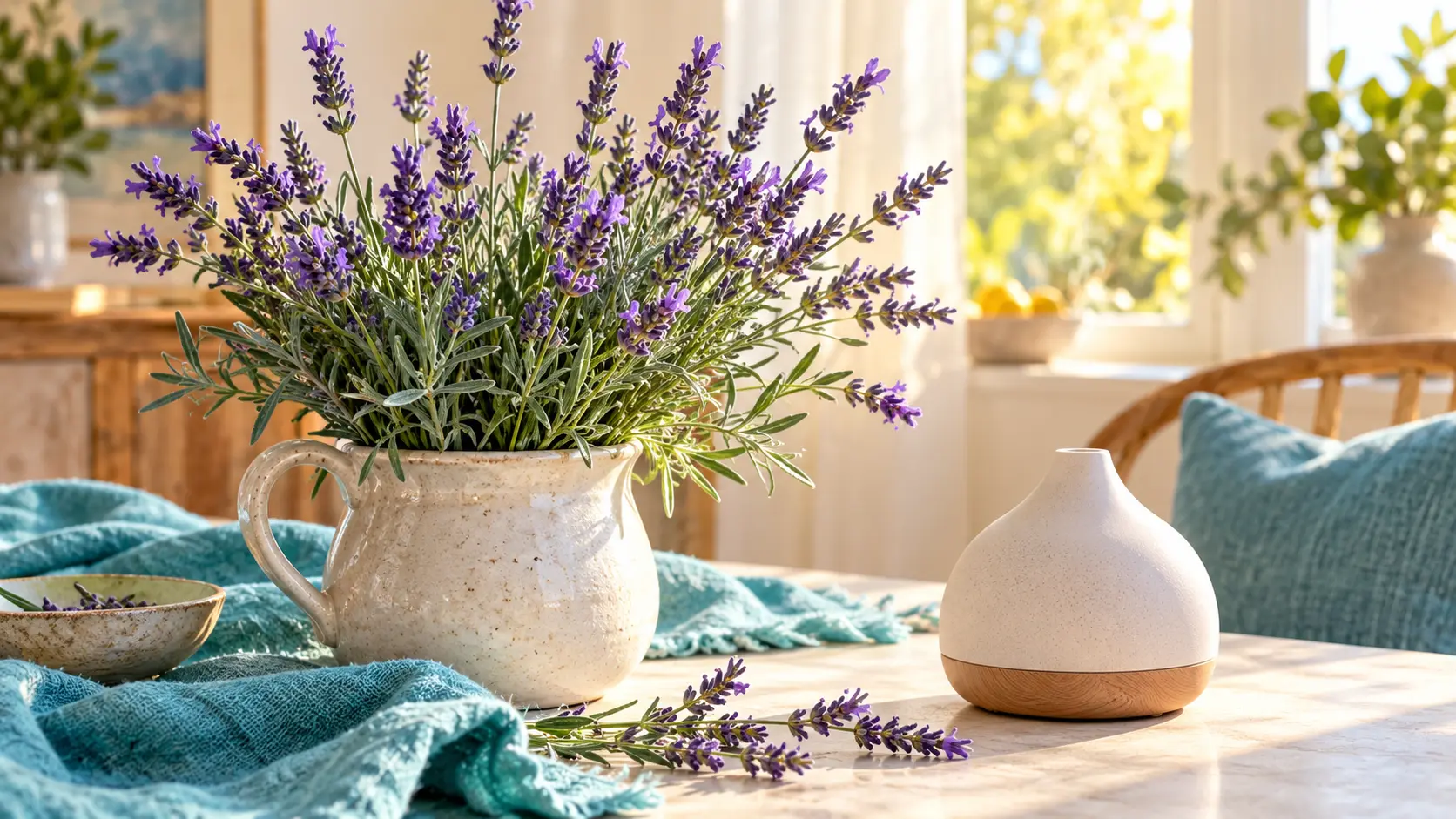
Lavender for Stress: Aromatherapy, Oral Products, and Evidence
Lavender may seem like one simple calming herb, but inhaling its fragrance and swallowing a specially prepared lavender-oil capsule are very different interventions. When we look at research on stress, those distinctions matter more than a product’s relaxing scent or marketing language. Some trials of a specific oral lavender-oil preparation suggest benefits for anxiety symptoms,…
-
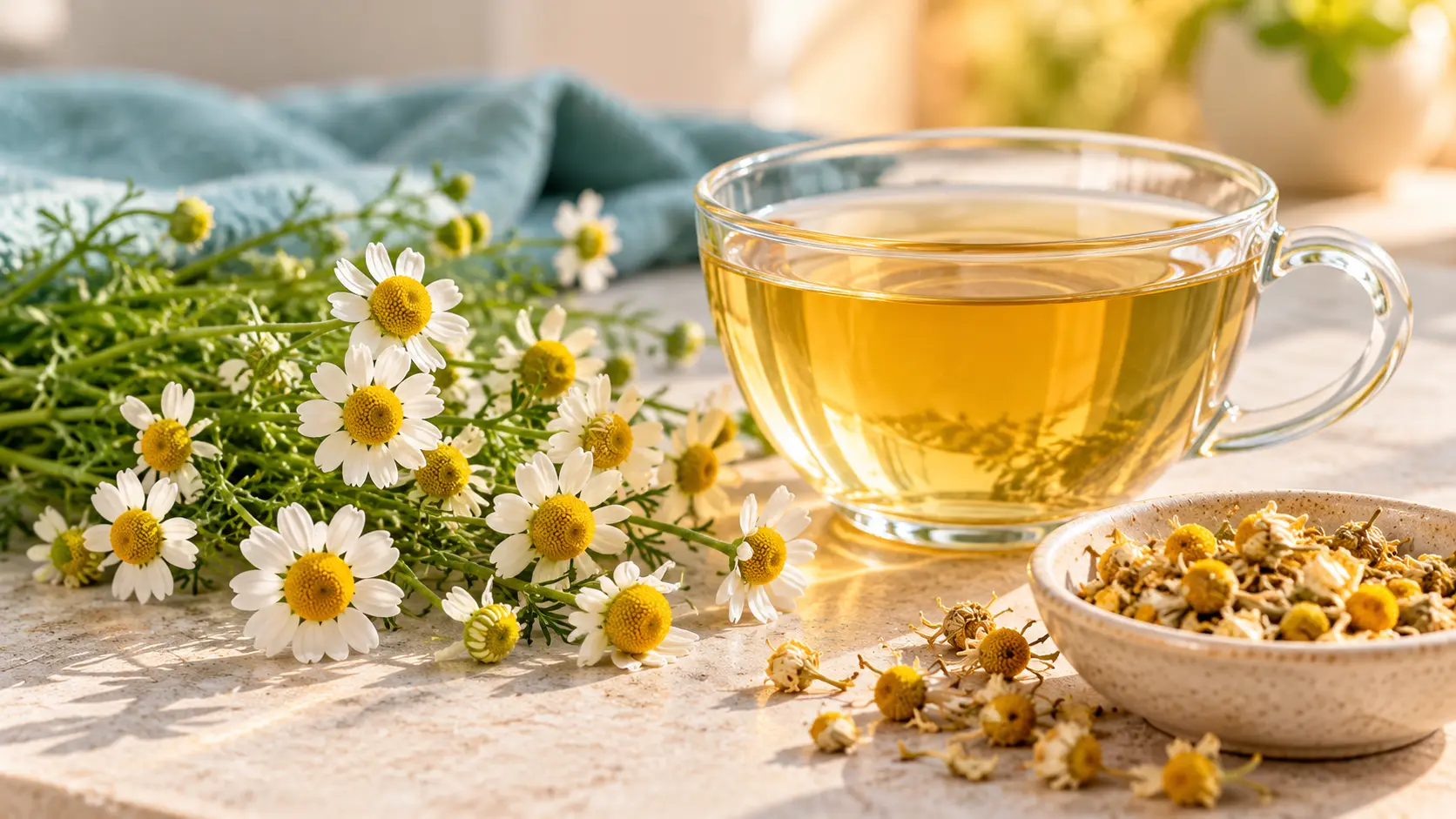
Chamomile for Stress: Tea, Extracts, and What the Evidence Supports
Chamomile tea is a familiar calming ritual, but studies of chamomile extracts do not prove that tea reduces everyday stress. Explore what the research shows, how forms differ, and important safety cautions.
-
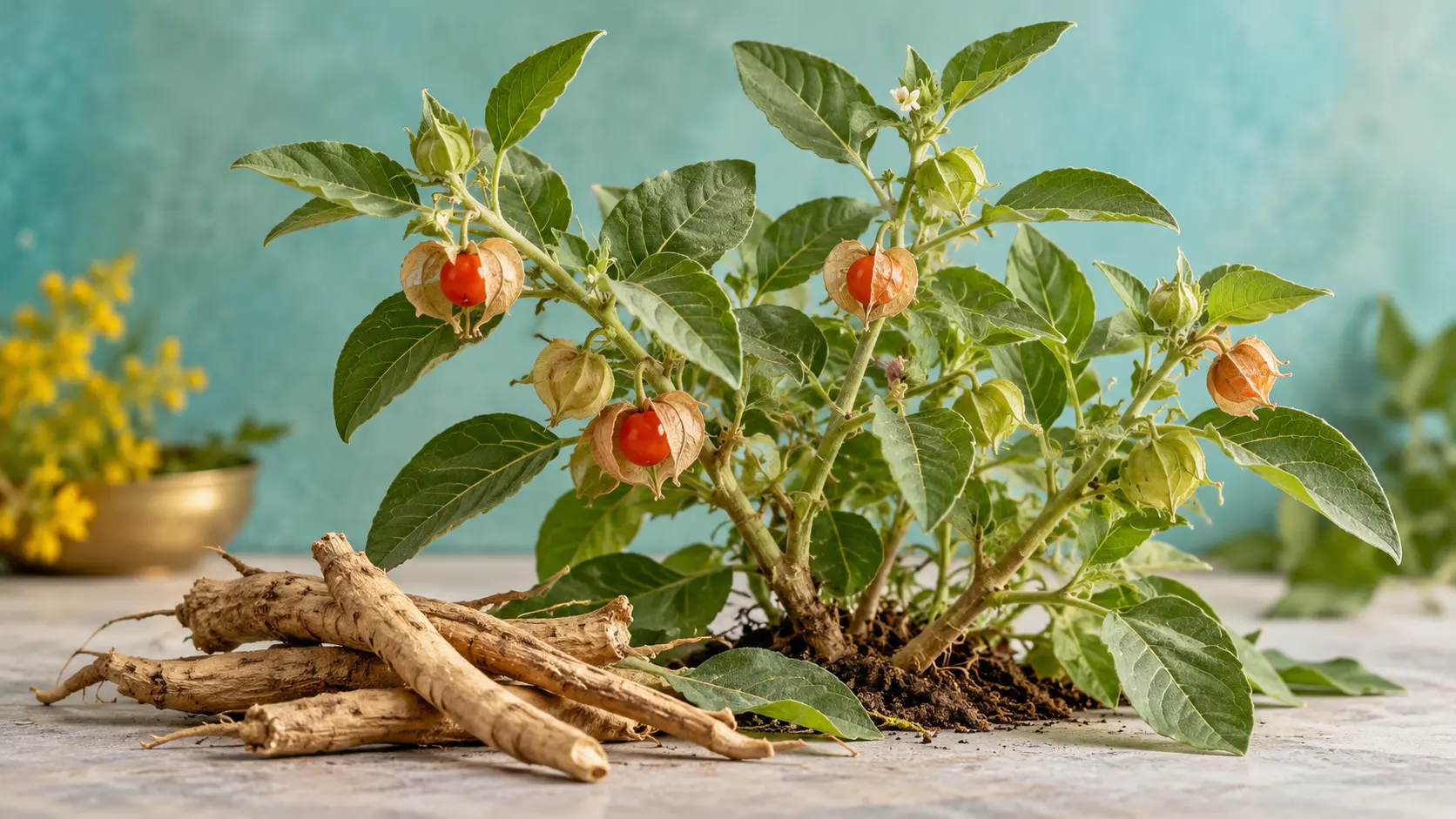
Ashwagandha for Stress: Benefits, Evidence, and Safety
Some ashwagandha extracts may help with perceived stress in short-term studies, but products are not interchangeable and safety matters. Learn what research shows and when to avoid use.
-

Mental Strategies for Stress: Skills That Can Help You Respond Differently
Stress calls for different responses in different moments. Learn six practical mental coping strategies, how to choose one, and when self-help may not be enough.
-

Grounding Techniques for Stress: What They Can and Cannot Do
Grounding can bring your attention back to the present during stressful moments. Learn a flexible sensory exercise, when to adjust it, and its limitations.
-

Social Media Stress: When Connection Starts to Feel Like Pressure
Social media can connect you or leave you overwhelmed. Learn why comparison, alerts, and endless feeds can feel stressful, plus practical ways to set healthier boundaries.
-
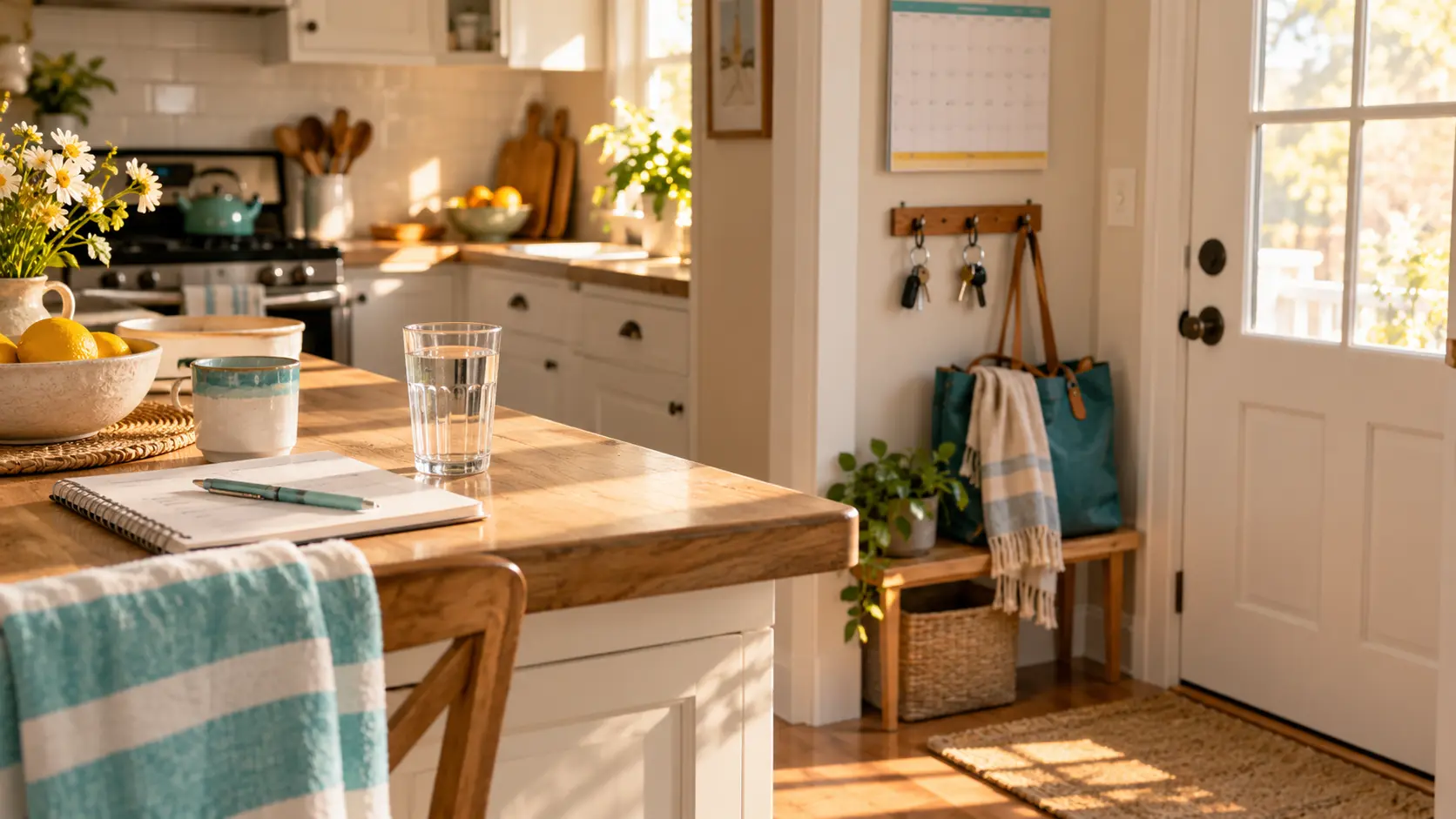
A Morning Routine for Lower-Stress Days
A lower-stress morning is not about doing more. Try five practical, flexible steps to reduce rushing, simplify decisions, and start your day with a little breathing room.
-
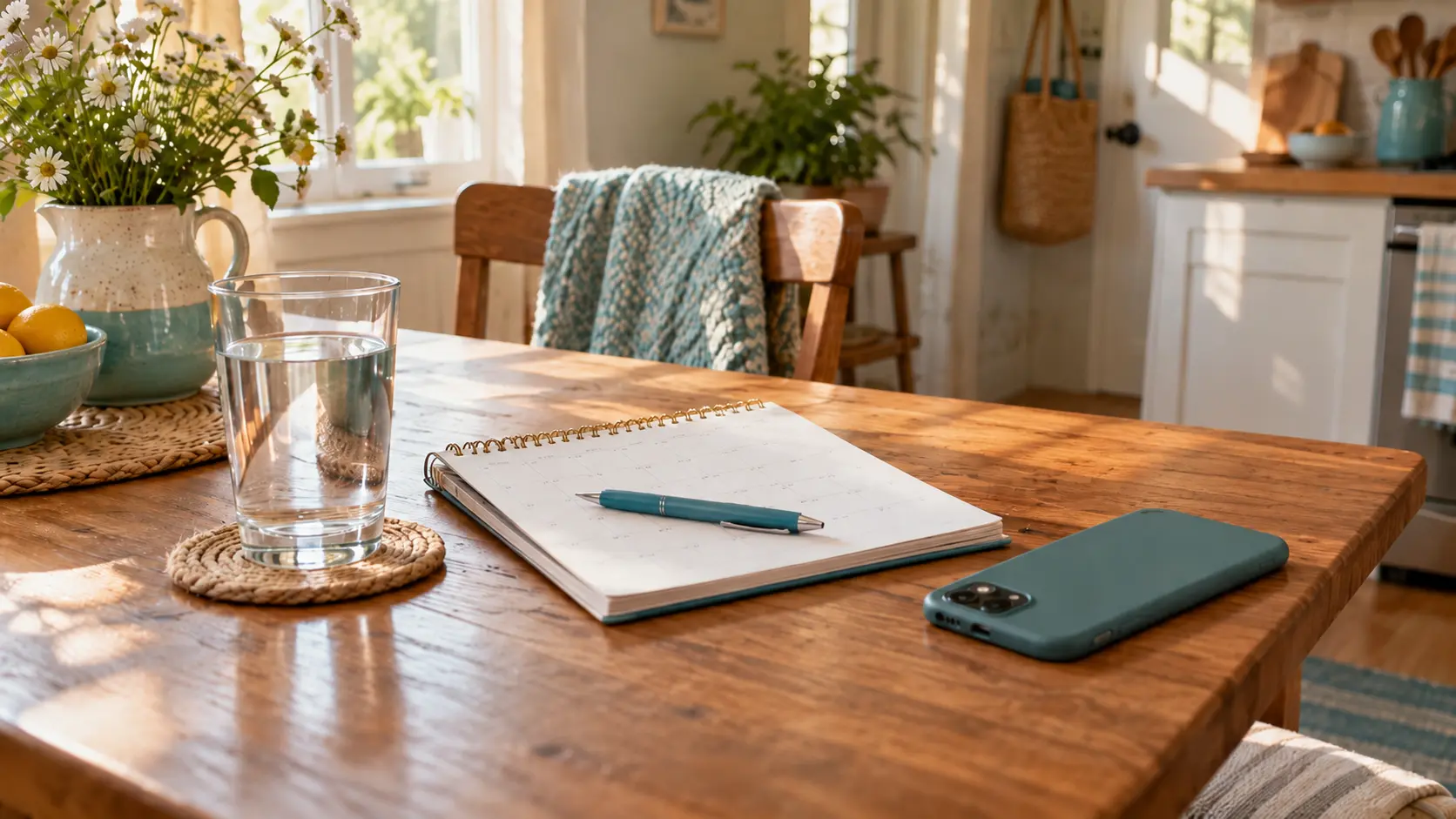
Lifestyle Habits for Stress: Daily Changes That May Help
Stressful days rarely need a perfect routine. Compare six manageable habits that can support sleep, recovery, focus, and connection—plus simple ways to begin.